

Resumo Executivo (Guia de Aquisição – Versão Resumida)
- Opte pelas sanitas inteligentes com sistema de lavagem se: Os seus principais mercados são Europa, Reino Unido, Austrália, Nova Zelândia ou Médio Oriente. Ideal para sistemas com sifão em P (distância de montagem de 180 mm), instalações suspensas na parede, espaços reduzidos e normas rigorosas de conservação de água (EN997 / WaterMark).
- Opte por sanitas inteligentes com sistema sifónico se: Os seus principais mercados são América do Norte (EUA, Canadá, México) ou Ásia Oriental. Ideal para sifões em S de ralos de chão padrão de 12 polegadas (305 mm), instalações residenciais silenciosas e cobertura de grandes áreas molhadas.
- Conclusão sobre o B2B: A escolha da arquitetura de descarga errada para uma determinada região conduz a elevadas taxas de devolução e a falhas na instalação. Alinhar a tecnologia de descarga com a infraestrutura local de canalização é fundamental para o sucesso no setor B2B.
Compreender a física: sistema sifónico vs. sistema de lavagem
A principal diferença entre estes dois sistemas reside em como se controlam a energia cinética e a pressão atmosférica para limpar os resíduos da sanita:
[Sistema de lavagem]   --> Descarga de água por gravidade a grande altura  --> Empurra os resíduos para fora através de um tubo largo e íngreme.
[Sistema sifónico]   --> Vácuo de água no sifão em S (sifão)   --> Puxa os resíduos para baixo através de um tubo estreito e comprido.
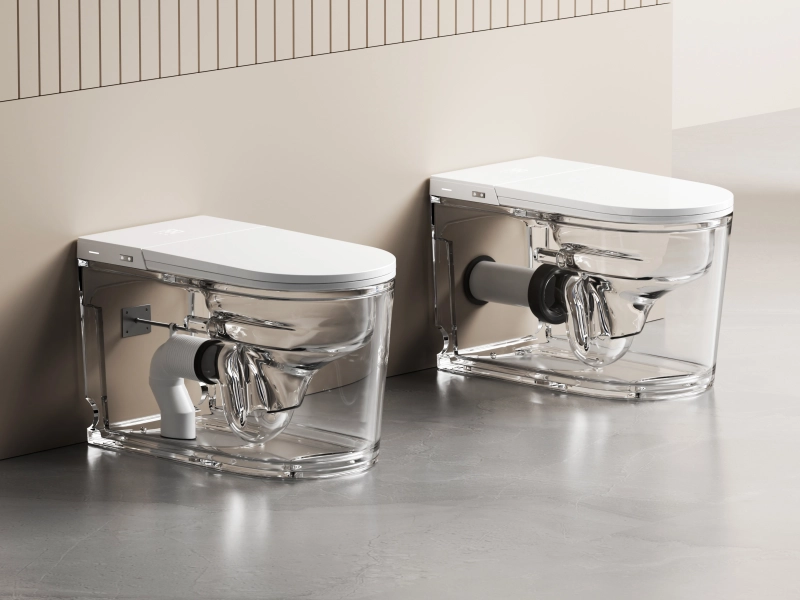
1. Lavagem por descarga (por gravidade)
- Como funciona: A água cai rapidamente da borda ou do jato do tornado, utilizando o impulso direto e a força da gravidade para arrastar os resíduos para baixo.
- Geometria do canal de drenagem: Curta, íngreme e extremamente larga (normalmente 3,5” a 4,0” de diâmetro).
- Principal vantagem: Praticamente imune a entupimentos, mesmo com papel higiénico espesso ou em ambientes comerciais de grande afluência.
2. Descarga por sifão (sucção a vácuo)
- Como funciona: A água enche um canal de escoamento estreito em forma de “S” invertido, criando um vácuo total. A diferença de pressão atmosférica aspira o conteúdo da sanita, sendo seguida por um jato secundário para restabelecer o vedante de água.
- Geometria do canal de drenagem: Mais comprido, sinuoso e mais estreito (normalmente 2,0” a 2,125” de diâmetro).
- Principal vantagem: Funcionamento excepcionalmente silencioso, com uma ampla superfície de água estagnada que minimiza os odores e as manchas na sanita.
Tabela comparativa abrangente de B2B
| Característica / Métrica | Sanitas inteligentes com sistema de lavagem | Sanitas inteligentes com sistema sifónico |
| Mecanismo principal | Impulso Gravitacional Direto | Sucção a vácuo atmosférico |
| Diâmetro interior do canal de drenagem | 89 – 100 mm (Grande) | 50 – 54 mm (Estreito) |
| Risco de obstrução | Extremamente baixo (< 0,11 TP3T) | Moderado (requer otimização do jato de lavagem) |
| Consumo de água | 3,0 L / 4,5 L com descarga dupla (Alta eficiência) | 4,8 L / 6,0 L, descarga simples ou dupla |
| Instalação hidráulica padrão | Sifão em P (180 mm) / Suspensão na parede / Sifão em S (150-250 mm) | S-trap (instalação embutida no chão de 305 mm / 12 polegadas) |
| Nível de ruído | Moderado (ruído de salpicos de 70–75 dB) | Baixo (sifão silencioso de 55–60 dB) |
| Área da mancha de água | Mais pequeno (requer descarga tipo «tornado» sem aro) | Maior (cobre a parte 70%+ da cuba interior) |
| Regiões-alvo | Europa, Reino Unido, Austrália e Nova Zelândia, Médio Oriente, Sudeste Asiático | EUA, Canadá, México, América do Sul |
Considerações estratégicas para encomendas OEM/ODM de sanitas inteligentes
Ao atualizar a sua linha de produtos para sanitas inteligentes integradas, o mecanismo de descarga tem impacto na engenharia eletrónica interna:
1. Integração da bomba e requisitos de pressão da água
- Unidades de lavagem: Pode funcionar facilmente em pressão da água sem depósito, ligada diretamente à rede elétrica ou tanques por gravidade de baixa pressão, o que os torna adequados para edifícios altos europeus mais antigos com baixa pressão na rede de tubagem.
- Unidades sifónicas: É necessária uma velocidade precisa do fluxo de água para ativar o vácuo do sifão. As modernas sanitas inteligentes com sistema de sifão requerem, normalmente, bombas de reforço integradas e micro-reservatórios de água para garantir o desempenho da descarga.
2. Formatos de montagem na parede vs. montagem no chão
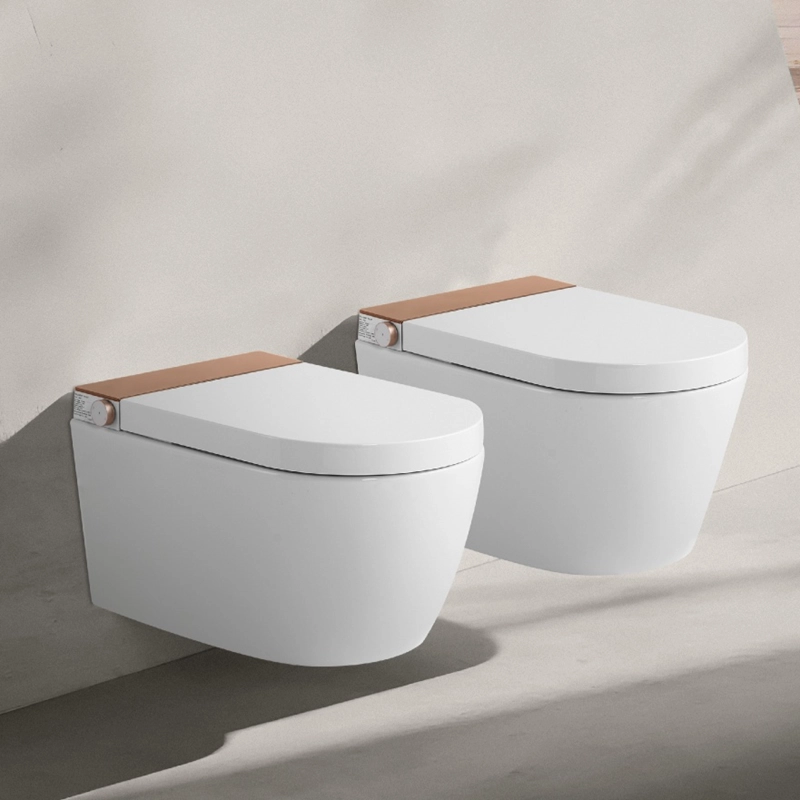
- Os projetos comerciais e residenciais modernos na Europa exigem, de forma esmagadora, sanitas suspensas (com cisterna embutida na parede). As peças cerâmicas para instalações com lavagem são leves e estruturalmente otimizadas para estruturas de aço suspensas na parede (por exemplo, compatíveis com a Geberit).
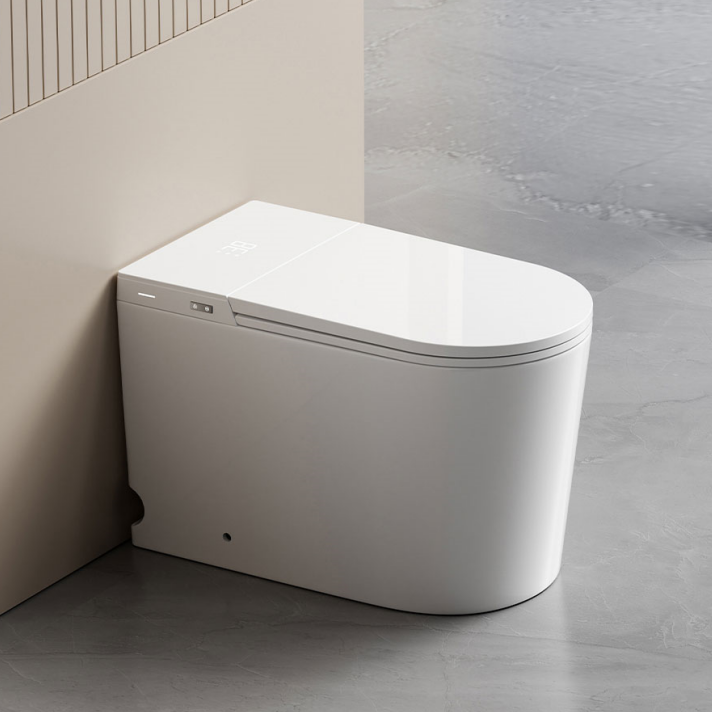
- Os sistemas sifónicos são mais pesados e dependem de um sifão em S instalado no chão, o que limita a sua aplicação em modelos de sanitas inteligentes suspensas.
Perguntas Frequentes (FAQ para compradores B2B)
P1: Por que razão as sanitas sifónicas são raras na Europa?
R: As normas de construção europeias e as infraestruturas de canalização utilizam sifões em P com saída na parede e tubos de drenagem horizontais de 180 mm, em vez de sifões em S de 12 polegadas que penetram profundamente no pavimento. Não é fácil criar a ação sifónica em configurações de sifão em P horizontais.
P2: Uma sanita inteligente com sistema de lavagem consegue manter a sanita limpa com menos água?
R: Sim. As sanitas inteligentes modernas com sistema de lavagem utilizam tecnologia de descarga «Tornado» sem aro com orifício único. Ao fazer a água rodopiar horizontalmente ao longo da parte interior sem rebordo da sanita antes de cair no sifão, o sistema limpa 100% da área de superfície com apenas 3,8 litros.
P3: Qual é o sistema que oferece custos de manutenção pós-venda mais baixos para os distribuidores?
R: As sanitas com descarga de água produzem geralmente menos reclamações de clientes relacionadas com entupimentos devido às suas amplas aberturas de sifão. No entanto, para os mercados norte-americanos, o sistema sifónico continua a ser essencial devido aos hábitos dos consumidores e às instalações hidráulicas existentes de 12 polegadas.
Adquira hoje mesmo as suas sanitas inteligentes adaptadas ao seu mercado
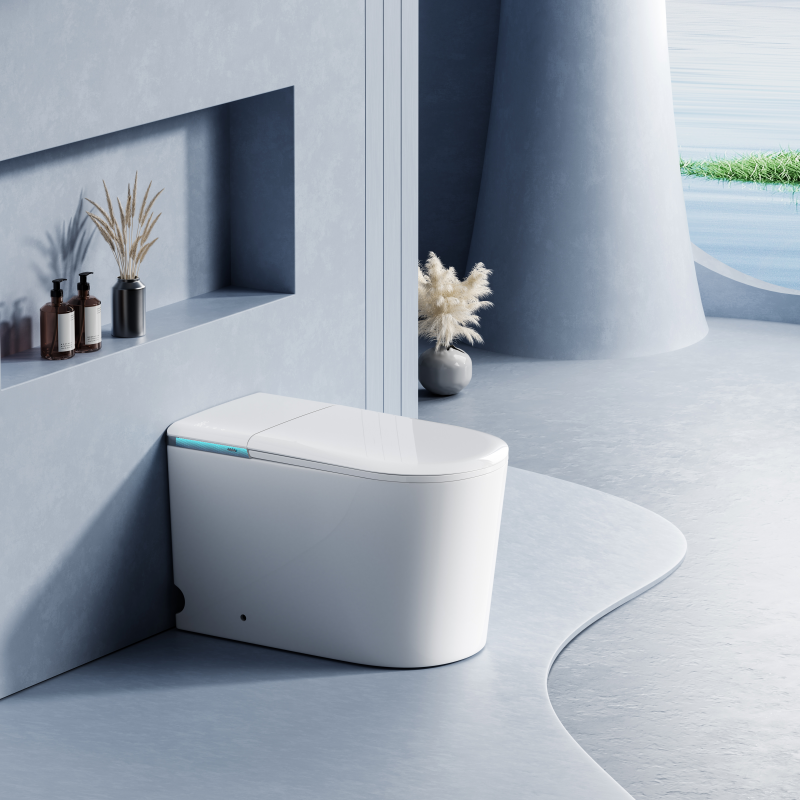
Como empresa consolidada Fabricante de sanitas inteligentes OEM/ODM, Snotor produz tanto produtos de alto desempenho unidades de lavagem suspensas na parede para as normas da EMEA/ANZ e unidades sifónicas ultrassilenciosas para os mercados americanos.