

Executive Summary (TL;DR Sourcing Guide)
- Choose Washdown Smart Toilets If: Your primary markets are Europe, the UK, Australia, New Zealand, or the Middle East. Ideal for P-trap systems (180mm rough-in), wall-hung installations, tight spaces, and strict water conservation mandates (EN997 / WaterMark).
- Choose Siphonic Smart Toilets If: Your primary markets are North America (US, Canada, Mexico) or East Asia. Ideal for standard 12-inch (305mm) floor drain S-traps, quiet residential setups, and large water spot coverage.
- B2B Bottom Line: Sourcing the wrong flushing architecture for a region leads to high return rates and installation failures. Aligning flushing tech with local plumbing infrastructure is critical for B2B success.
Understanding the Physics: Siphonic vs. Washdown
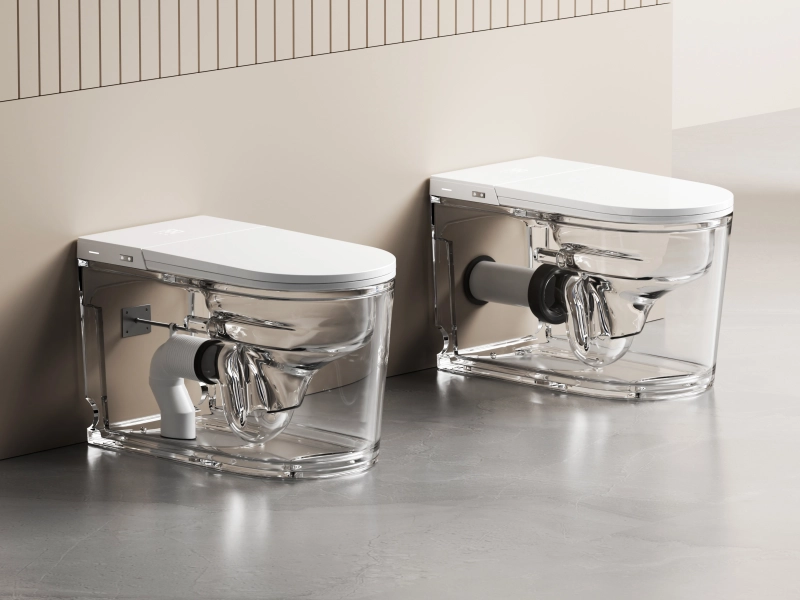
The core difference between these two systems lies in how kinetic energy and air pressure are manipulated to clear waste from the bowl:
[Washdown System]   --> High-level gravity water drop  --> Pushes waste out through wide, steep pipe.
[Siphonic System]   --> S-trap water vacuum (Siphon)   --> Pulls waste down through narrow, long pipe.
1. Washdown Flushing (Gravity Push)
- How it works: Water cascades rapidly from the rim or tornado jet, using direct momentum and gravitational weight to sweep waste downward.
- Trapway Geometry: Short, steep, and extremely wide (typically 3.5” to 4.0” in diameter).
- Key Advantage: Practically immune to clogging, even with thick toilet paper or high-traffic commercial usage.
2. Siphonic Flushing (Vacuum Suction)
- How it works: Water fills a narrow, inverted “S” shaped trapway, creating a complete vacuum. The atmospheric pressure differential sucks the bowl contents out, followed by a secondary jet spray to restore the water seal.
- Trapway Geometry: Longer, convoluted, and narrower (typically 2.0” to 2.125” in diameter).
- Key Advantage: Exceptionally quiet operation with a large standing water surface that minimizes odor and bowl staining.
Comprehensive B2B Comparison Table
| Feature / Metric | Washdown Smart Toilets | Siphonic Smart Toilets |
| Primary Mechanism | Direct Gravitational Push | Atmospheric Vacuum Suction |
| Trapway Inner Diameter | 89 – 100 mm (Large) | 50 – 54 mm (Narrow) |
| Risk of Blockage | Extremely Low (< 0.1%) | Moderate (requires flush jet optimization) |
| Water Consumption | 3.0L / 4.5L Dual Flush (High Efficiency) | 4.8L / 6.0L Single or Dual Flush |
| Standard Plumbing Setup | P-trap (180mm) / Wall-Hung / S-trap (150-250mm) | S-trap (305mm / 12-inch floor rough-in) |
| Noise Level | Moderate (70–75 dB splash sound) | Low (55–60 dB quiet siphon) |
| Water Spot Area | Smaller (Requires rimless tornado flush) | Larger (Covers 70%+ of inner bowl) |
| Target Regions | Europe, UK, ANZ, Middle East, SEA | USA, Canada, Mexico, South America |
Strategic Considerations for Smart Toilet OEM/ODM Orders
When upgrading your product line to integrated smart toilets, flushing mechanics impact internal electronic engineering:
1. Pump Integration & Water Pressure Requirements
- Washdown Units: Can easily operate on tankless direct-grid water pressure or low-pressure gravity tanks, making them suitable for older European high-rise buildings with low pipe pressure.
- Siphonic Units: Require precise water flow velocity to trigger the siphon vacuum. Modern siphonic smart toilets usually require built-in booster pumps and micro-water tanks to guarantee flush performance.
2. Wall-Hung vs. Floor-Mounted Form Factors
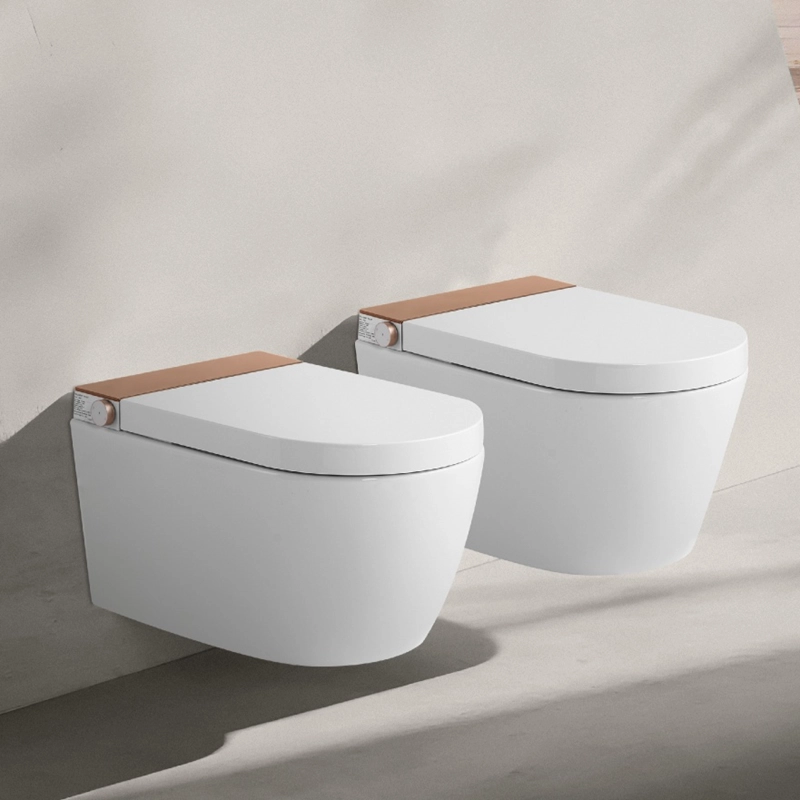
- European commercial and modern residential projects overwhelmingly demand wall-hung (in-wall cistern) toilets. Washdown ceramics are lightweight and structurally optimized for wall-hung steel frames (e.g., Geberit compatibility).
- Siphonic systems are heavier and rely on floor-standing S-trap drainage, limiting their application in wall-hung smart toilet designs.
Frequently Asked Questions (FAQ for B2B Buyers)
Q1: Why are siphonic toilets rare in Europe?
A: European building codes and plumbing infrastructure utilize wall-outlet P-traps and 180mm horizontal drainage pipes rather than deep floor-penetrating 12-inch S-traps. Siphonic action cannot be easily created in horizontal P-trap configurations.
Q2: Can a washdown smart toilet achieve a clean bowl with less water?
A: Yes. Modern washdown smart toilets utilize single-hole rimless tornado flushing technology. By swirling water horizontally along the rimless inner bowl before dropping into the trapway, the system cleans 100% of the surface area with as little as 3.8 liters.
Q3: Which system offers lower after-sales maintenance costs for distributors?
A: Washdown toilets generally yield fewer clogging-related customer complaints due to their wide trapways. However, for North American markets, siphonic remains essential due to consumer habits and existing 12-inch plumbing setups.
Source Your Market-Tailored Smart Toilets Today
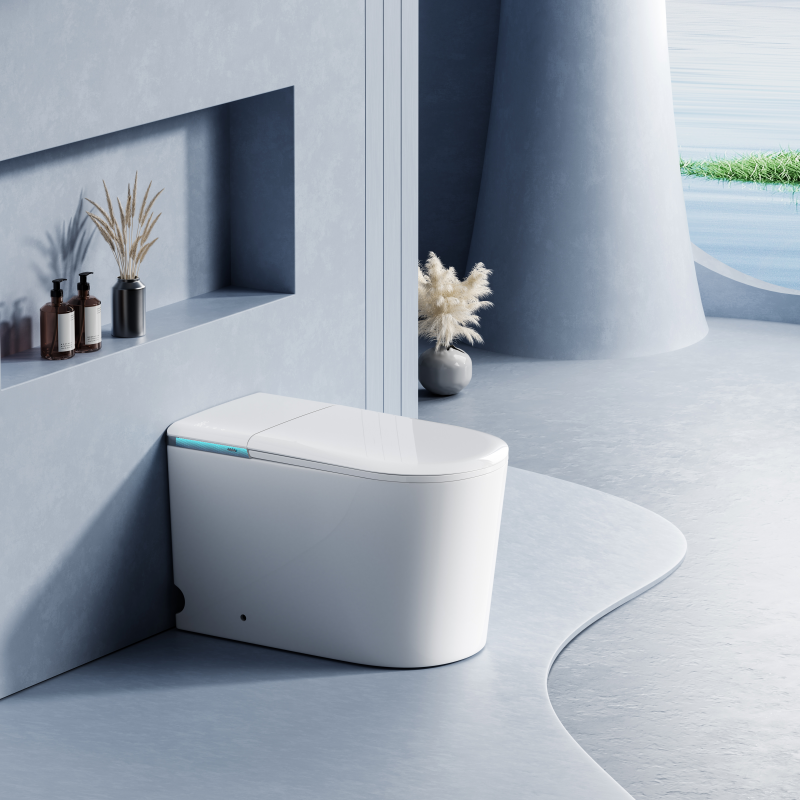
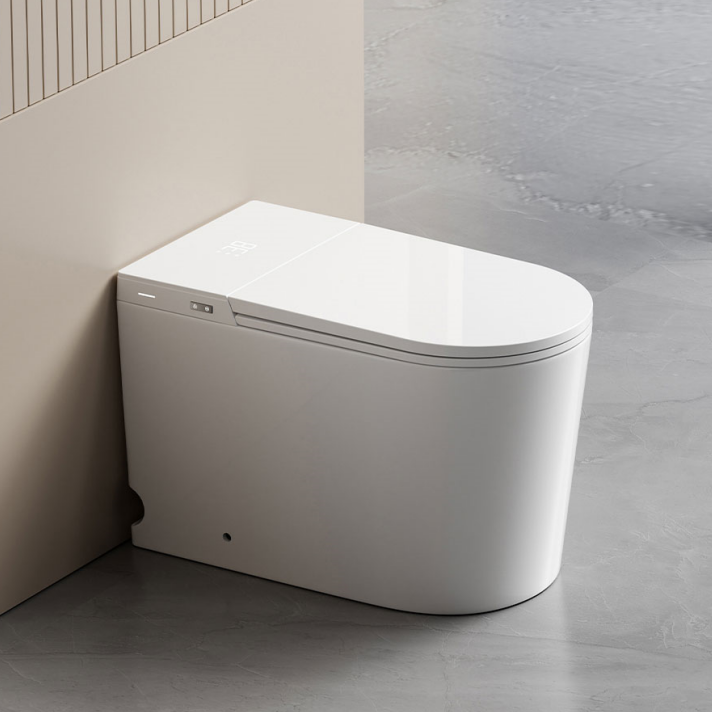
As an established OEM/ODM smart toilet manufacturer, Snotor produces both high-performance wall-hung washdown units for EMEA/ANZ standards and ultra-quiet siphonic units for American markets.