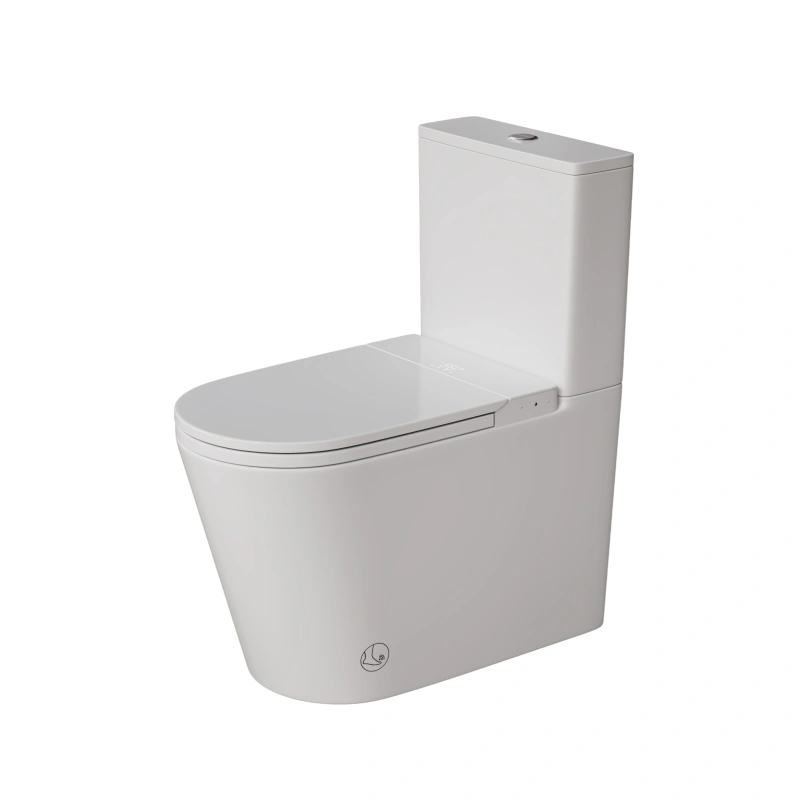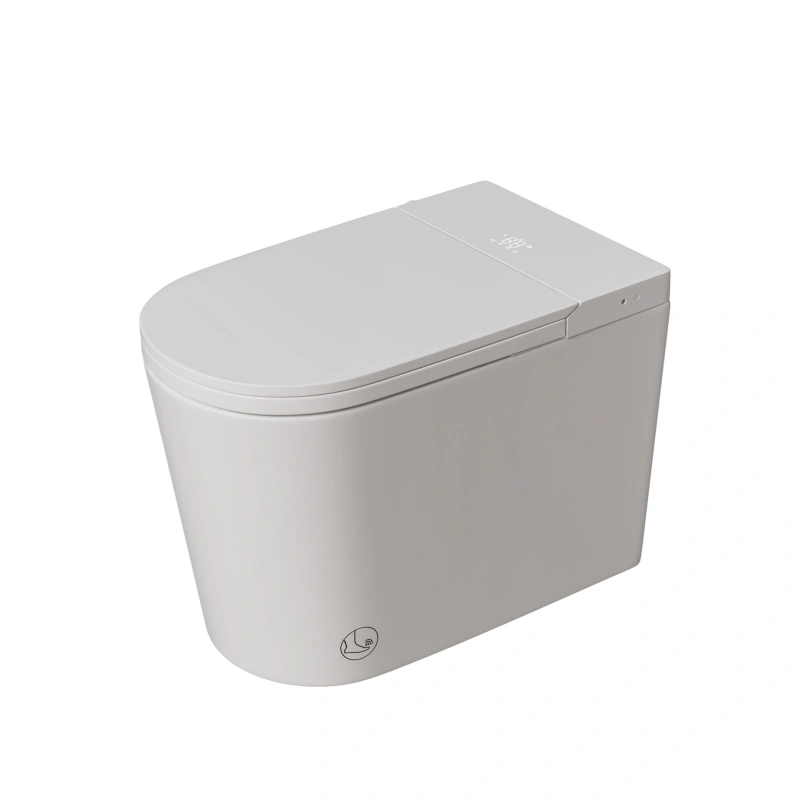


A sanita inteligente sem cisterna offers a compact design without a conventional external cistern, while a smart toilet with a tank stores water for flushing. Both can provide intelligent functions, but they differ in flushing systems, water pressure requirements, installation conditions, and maintenance needs. For European bathroom projects, the better option depends on building infrastructure, project budgets, and long-term operating requirements.
With different flushing technologies and installation requirements to consider, choosing the right smart toilet can be challenging for European buyers. Drawing on SNOTOR‘s experience in developing both tankless and tank-equipped models, this guide explores their key differences in performance, installation, maintenance, and long-term costs, helping distributors, importers, and project contractors make more confident purchasing decisions.
Tankless vs Traditional Tank Smart Toilets: Key Differences
The main difference between a sanita inteligente sem cisterna and a smart toilet with a tank is how water is supplied for flushing.
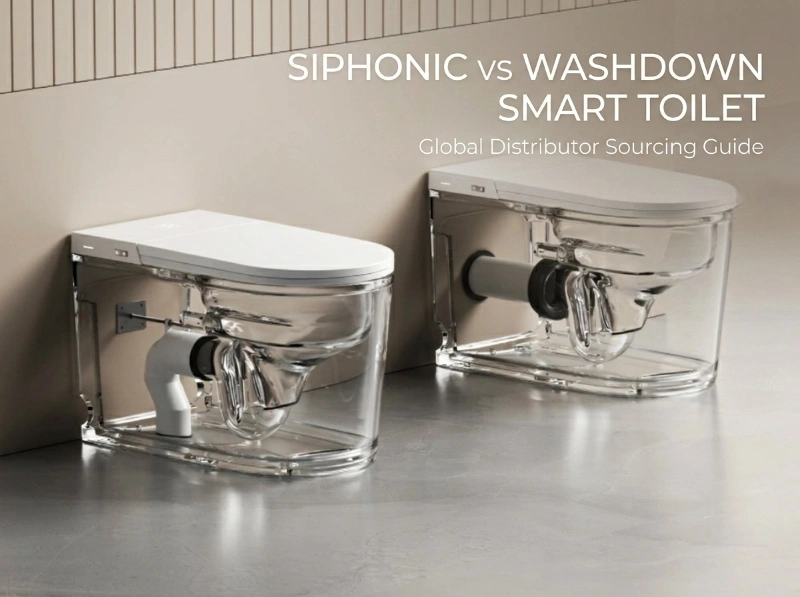
Tankless models eliminate the conventional external cistern and may use direct water supply, an internal booster pump, or other integrated flushing mechanisms. Tank-equipped models store a volume of water before releasing it through a designed flushing system. Neither structure is universally superior. The right choice becomes clearer when flushing performance and installation requirements are evaluated together.
| Comparison Factor | Sanita inteligente sem tanque | Traditional Tank Smart Toilet |
|---|---|---|
| Water Storage | No conventional external cistern; internal designs vary | Separate or integrated storage tank |
| Sistema de lavagem | Direct-supply or pump-assisted options | Stored-water, gravity-assisted or engineered flushing |
| Bathroom Space | Compact profile and modern appearance | Additional space required for the tank |
| Water Pressure | Depends on supply flow and booster configuration | Stored water helps provide flushing volume |
| Manutenção | Electronic controls, pumps, and internal valves | Tank valves, flushing components, and smart modules |
| Typical Market Position | Modern and premium bathroom projects | Residential, renovation, and value-oriented projects |
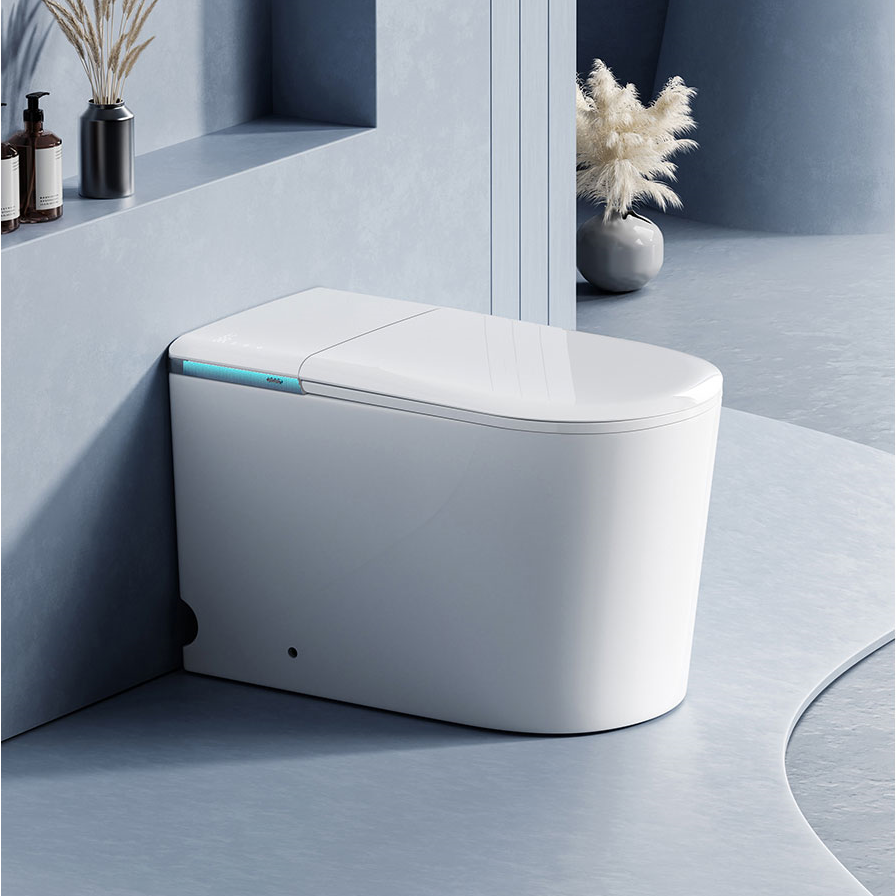
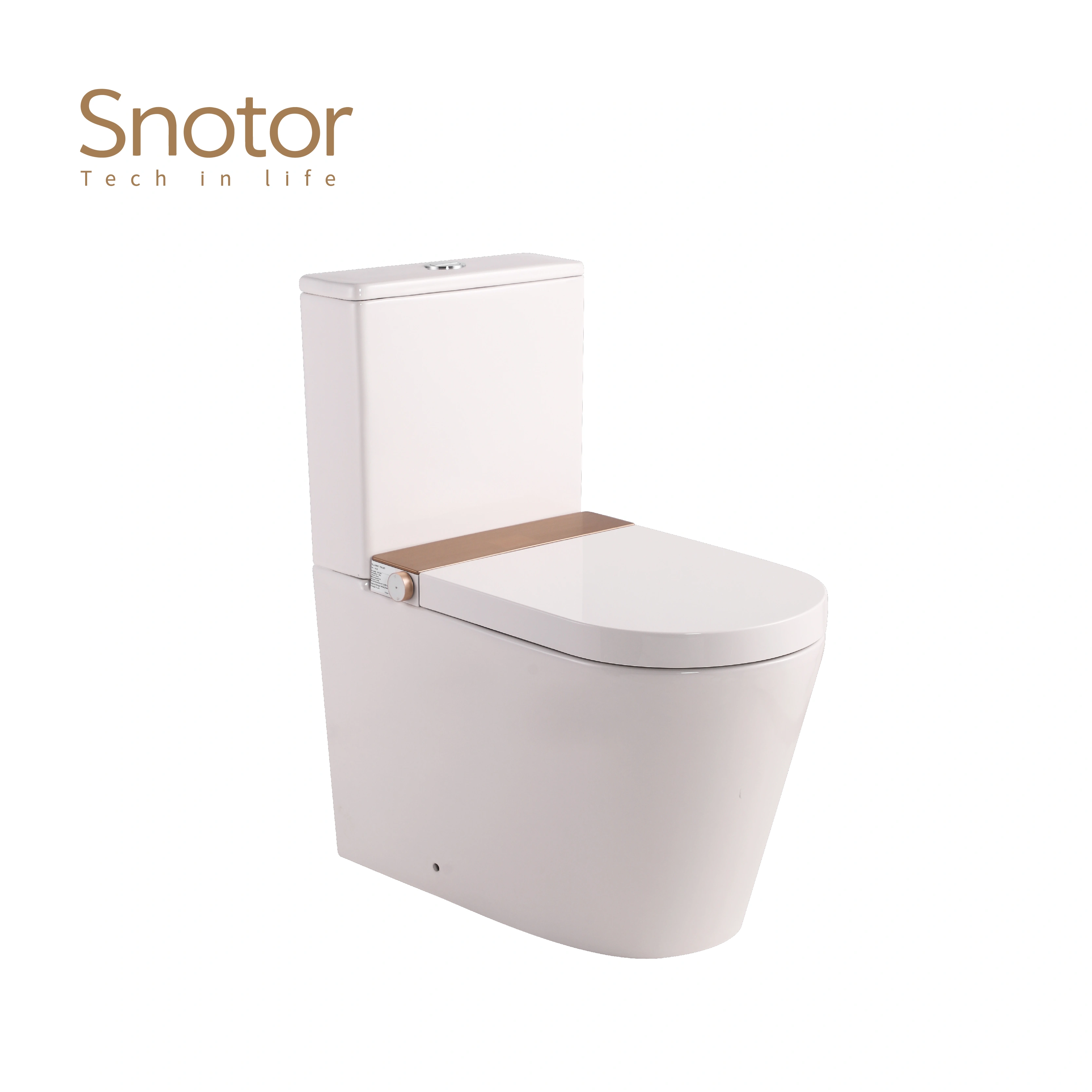
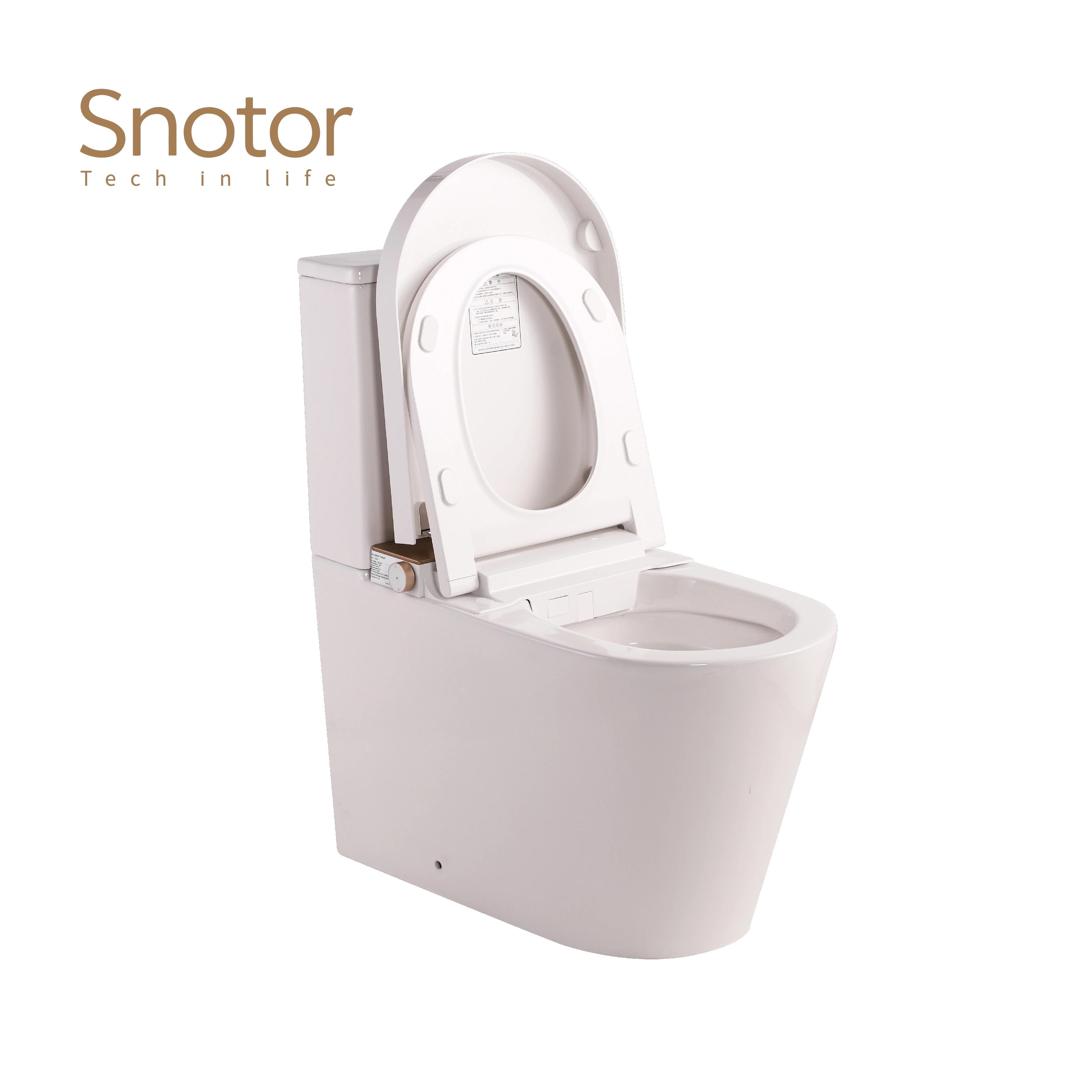
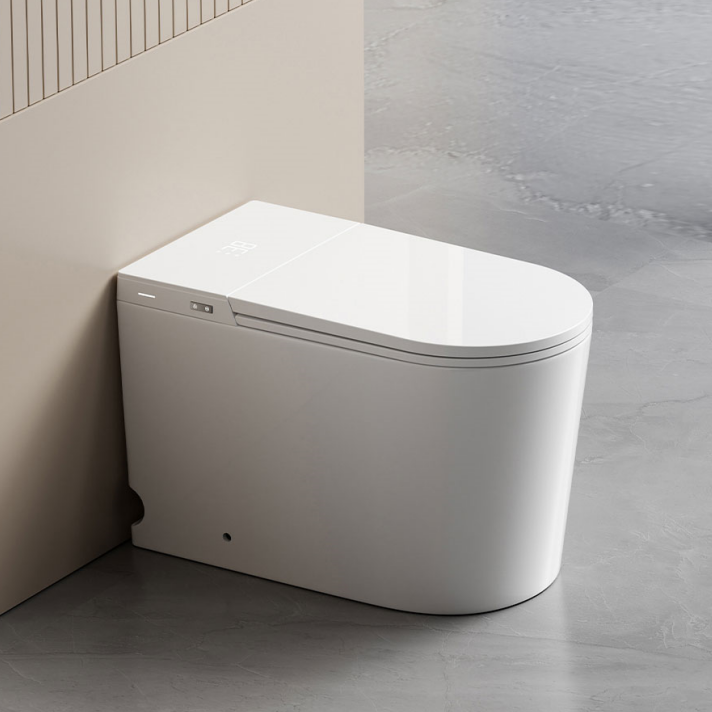
For example, SNOTOR G6 tankless smart toilet features a compact back-to-wall structure and integrated booster-assisted flushing. The 6520 smart toilet with tank combines a separate water tank with vortex flushing and intelligent controls.

Flushing Performance and Water Pressure Requirements
Flushing performance is a critical consideration for European bathroom projects, as water pressure and flow rates can vary significantly between buildings. Older residential properties may have aging plumbing systems, while high-rise apartments and hotels often experience fluctuations in water pressure during peak usage hours. Insufficient water supply can affect flushing efficiency, waste removal, and overall user experience.
How Tankless Flushing Works
A sanita inteligente sem cisterna flushes without relying on a conventional external water tank. When the user activates flushing, the electronic control system opens the water valve, allowing water to flow from the supply line into the flushing system.
Key considerations include:
- Direct Water Supply: Models without stored flushing water require adequate dynamic pressure and flow rate during operation. Insufficient supply may reduce flushing performance.
- Booster-Assisted Flushing: A low-water-pressure smart toilet with an integrated pump can compensate for certain supply limitations, depending on its technical specifications.
- Electrical Dependence: Pump-assisted flushing requires electricity, so buyers should verify operation during power interruptions.
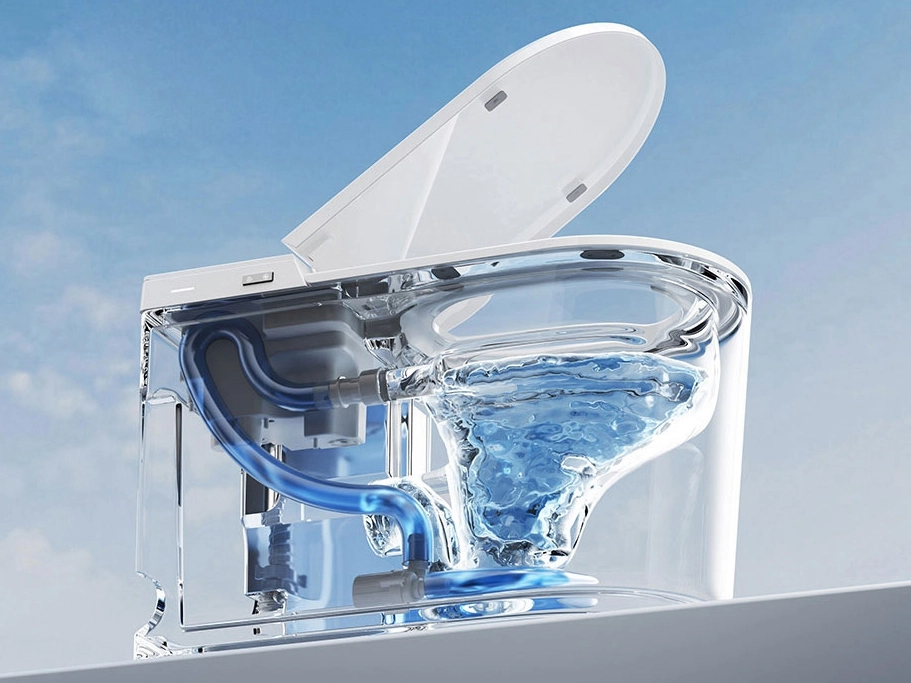
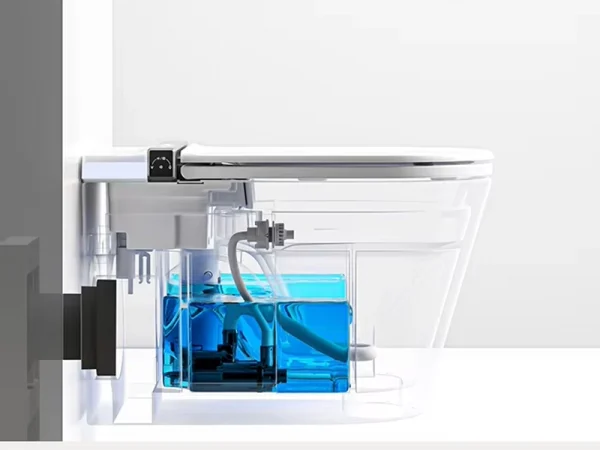
O SNOTOR G1 back-to-wall smart toilet takes a slightly different approach, combining a concealed internal water tank with a quiet booster pump. When flushing begins, the system uses stored water and pump assistance to produce a strong, swirling flow that rinses the bowl and carries waste into the drainage pipe. This design reduces dependence on instantaneous water supply pressure, helping maintain reliable flushing in older European buildings and high-rise apartments where water pressure may fluctuate.
How Tank-Based Flushing Works
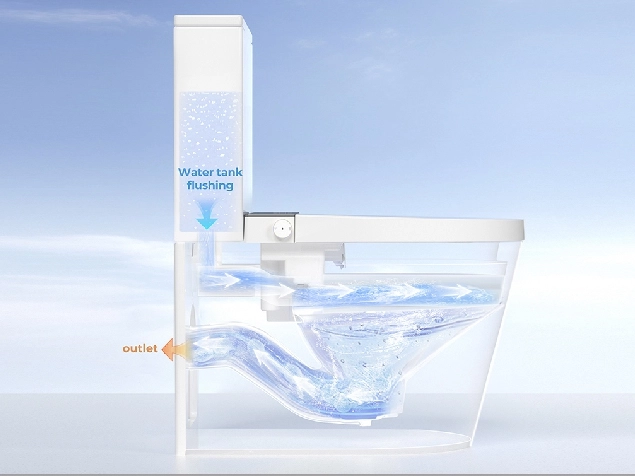
A gravity flush smart toilet uses water stored in a tank to generate the flow needed for flushing. Before each flush, the inlet valve fills the tank to a preset water level, where the water remains ready for use. When flushing is activated, the flush valve opens, allowing the stored water to flow rapidly into the toilet bowl under gravity. The water travels through specially designed channels, creating a powerful flow that rinses the bowl surface and pushes waste through the trapway into the drainage system.
For example, the SNOTOR 6520 smart toilet with tank combines a large-capacity water tank with Tornado Vortex Flushing Technology. The swirling water flow cleans the bowl while helping remove waste efficiently. After flushing, the flush valve closes, and the inlet valve automatically refills the tank. The bowl’s water seal is also restored, preventing sewer gases from entering the bathroom. Once the tank reaches its preset water level, the inlet valve shuts off, completing the flushing cycle.
Because the flushing water is stored in advance, the system relies less on instantaneous supply pressure during each flush. However, insufficient inlet pressure may extend tank refill time and affect the interval between consecutive flushes.
Installation Compatibility and Long-Term Costs
A sanita inteligente sem cisterna installation involves more than checking whether the bathroom has enough space. Drainage compatibility, electrical access, plumbing layout, and maintenance requirements all influence the overall project cost.
Compatibilidade de instalação
Tankless models are often attractive for compact bathrooms because they eliminate the visible tank. However, buyers must confirm outlet positions and electrical arrangements.
Traditional tank models require additional space but may be easier to integrate into projects designed for conventional floor-standing toilets.
For both designs, the installation drawings should confirm:
- Drainage Connections: Match the P-trap or S-trap outlet and rough-in dimensions to the building’s plumbing.
- Water Supply: Verify dynamic pressure, flow capacity, and inlet connections.
- Electrical Requirements: Confirm the destination market’s voltage, electrical protection, and service access.
- Available Space: Check product dimensions and access to replaceable components.

Maintenance and Lifecycle Costs
For European distributors and project contractors, the purchase price is only one part of the total cost of ownership. Installation expenses, component durability, water and electricity consumption, maintenance frequency, and spare-parts availability all influence the long-term economic value of a sanita inteligente sem cisterna or a smart toilet with tank.
Maintenance Requirements of Tankless Smart Toilets
A sanita inteligente sem cisterna eliminates the conventional external cistern and its associated flushing components. However, pump-assisted models may contain booster pumps, electronic valves, sensors, and control boards. These components require appropriate maintenance, particularly in areas with hard water or unstable water supplies. Modular designs and accessible replacement parts can help simplify repairs and reduce downtime.
Maintenance Requirements of Tank-Based Smart Toilets
Traditional tank-equipped models use inlet valves, flush valves, seals, and water storage components. These mechanical parts are generally familiar to plumbing technicians and may be relatively straightforward to replace. However, mineral deposits, worn seals, and valve failures can cause leakage or inefficient flushing over time. Smart models also contain electronic components that require separate maintenance.
Evaluating Long-Term Costs for Bulk Projects
For hotels, apartment developments, and other large installations, even minor maintenance differences can become significant when multiplied across hundreds of units. Buyers should consider:
- Installation Costs: Plumbing modifications, electrical connections, and installation labor.
- Operating Costs: Actual flushing water consumption, electricity usage, and potential leakage losses.
- Maintenance Costs: Replacement parts, service frequency, repair labor, and equipment downtime.
- Supply Continuity: Spare-parts availability, warranty terms, and compatibility of replacement components across product batches.
Neither structure automatically guarantees lower lifetime costs. Working with a manufacturer that provides detailed technical documentation, standardized components, and reliable spare-parts support allows buyers to evaluate maintenance requirements more accurately and reduce long-term operating risks.
Which Smart Toilet Fits European Bathroom Projects?
Different projects require different priorities. A modern residential development may emphasize minimalist design, while a renovation project may focus on plumbing compatibility and minimizing construction work.
| European Project | Recommended Selection | Main Purchasing Priority |
|---|---|---|
| Modern Apartments | Tankless smart toilet | Compact design, advanced functions, space efficiency |
| Older Home Renovations | Evaluate both structures | Existing plumbing, water pressure, installation costs |
| Hotels and Serviced Apartments | Model-specific evaluation | Flushing reliability, noise, maintenance accessibility |
| Large Residential Developments | Either structure according to project specifications | Installation consistency, unit cost, bulk supply |
| Bathroom Retailers and Distributors | Offer both product categories | Customer preferences, pricing tiers, product range |
For European distributors and project buyers, selecting the right smart toilet also means ensuring that it meets local installation and safety requirements. This includes evaluating flushing performance under EN 997, backflow protection in accordance with applicable EN 1717 requirements, and relevant electrical safety regulations. Buyers should verify these aspects through model-specific technical specifications and supporting test documentation.
Whether choosing a sanita inteligente sem cisterna or a smart toilet with a tank, the priority is to balance installation compatibility, reliable performance, maintenance convenience, and long-term costs. Working with a manufacturer that offers multiple product structures, technical guidance, and flexible configurations helps buyers select suitable solutions for different European projects while reducing procurement risks.
How SNOTOR Simplifies Smart Toilet Sourcing for European Buyers
Choosing between a sanita inteligente sem cisterna and a tank-equipped model becomes easier when the manufacturer can help resolve technical and commercial concerns before production.
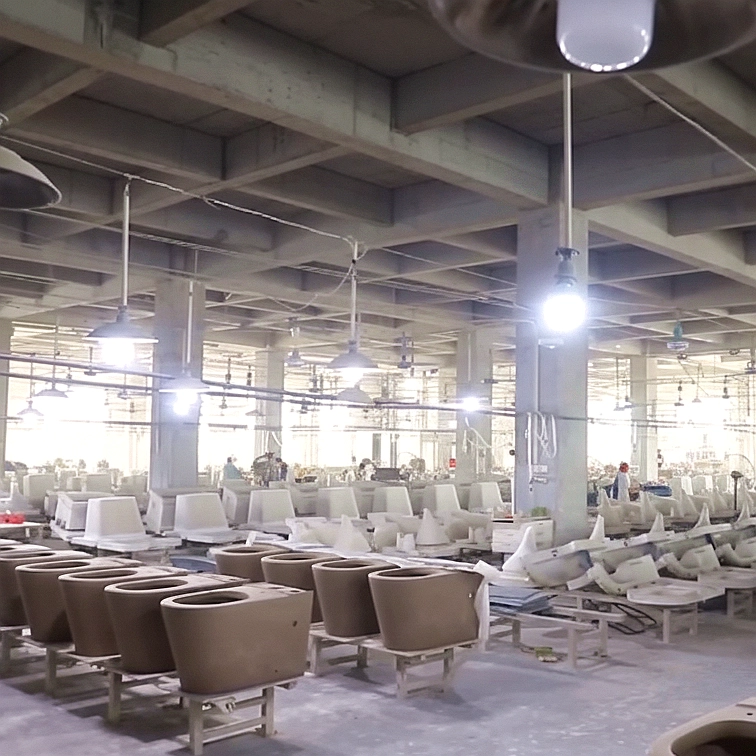
As a factory-direct tankless smart toilet manufacturer, SNOTOR combines structural engineering, flushing technology, and flexible manufacturing to support European distributors, sanitaryware brands, and project contractors.
Engineering Support for Installation Compatibility
O nosso product engineering and design capabilities cover flushing structures, drainage adaptation, and smart system integration. Buyers can discuss water pressure, outlet dimensions, and installation conditions before selecting a model, reducing the risk of incompatible products.
Flexible Product Selection and OEM/ODM Customization
From compact tankless models to traditional two-piece smart toilets, SNOTOR supports different product positioning and market requirements. Our Soluções sanitárias personalizadas OEM e ODM include function configuration, product appearance, brand labeling, and packaging customization, enabling European brands to develop differentiated product ranges.
Quality Control and After-Sales Support
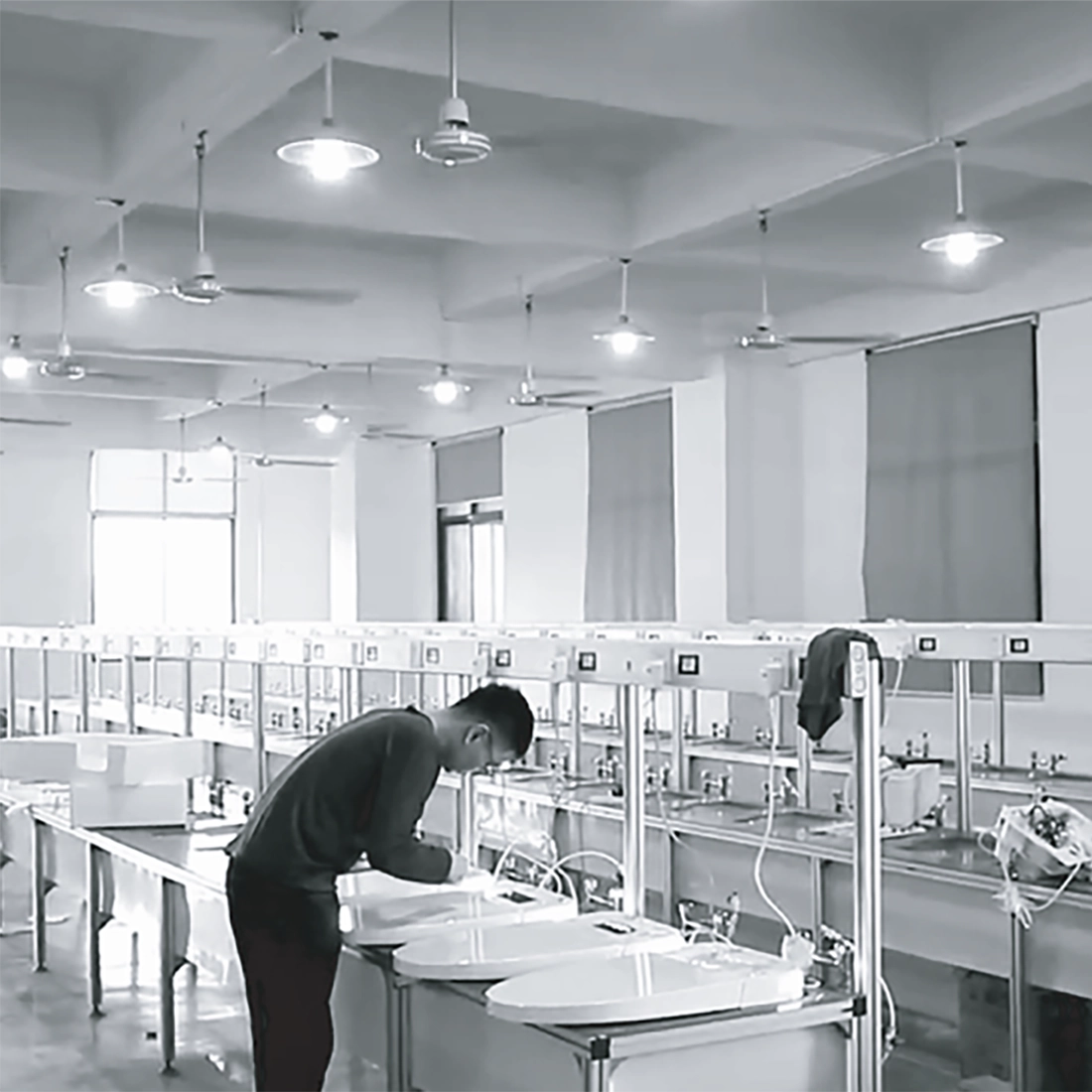
Consistent product performance matters for repeat wholesale orders. SNOTOR‘s manufacturing system includes quality inspections, production coordination, and technical support. Through our after-sales service, distributors can also access spare-parts assistance, technical guidance, and warranty support of up to three years, subject to agreed terms and product coverage.
Factory-Direct Supply for European Projects
By combining product engineering, customization, and bulk manufacturing, SNOTOR helps buyers coordinate technical requirements and purchasing plans with one factory partner. This approach is particularly useful for distributors managing multiple product tiers and contractors sourcing smart toilets for large developments.

Conclusion: Find the Right Smart Toilet Solution with SNOTOR
SNOTOR offers European distributors, bathroom brands, and project buyers a comprehensive range of smart toilets, including Sanitas inteligentes suspensas, Sanitas inteligentes sem tanque, Sanitas inteligentes de trás para a parede, e Sanitas inteligentes de duas peças. Backed by in-house engineering, flexible OEM/ODM customization, competitive factory-direct pricing, and long-term technical support, SNOTOR helps buyers select suitable products for different installation requirements and develop competitive smart toilet ranges for their markets.
Share your target market, project requirements, drainage configuration, water pressure conditions, and expected order quantity with our team. We can help identify suitable models, discuss customization options, and prepare a competitive wholesale quotation.
Contact SNOTOR today to develop your smart toilet product range or request a factory-direct quote.