

A instalação de sanitas inteligentes em projetos comerciais raramente é tão simples como parece no papel. Em hotéis, apartamentos e empreendimentos de grande escala, pequenos erros de instalação transformam-se frequentemente em retrabalhos dispendiosos ou em falhas do sistema. Para empreiteiros, promotores imobiliários e distribuidores, compreender estes problemas comuns antes da instalação ajuda a reduzir os riscos, a evitar atrasos e a garantir o desempenho do produto a longo prazo.
Por que razão a instalação de sanitas inteligentes é importante em projetos comerciais?
Ao contrário das casas de banho residenciais, os projetos comerciais exigem um desempenho consistente em várias unidades. Um único erro de instalação pode afetar dezenas ou mesmo centenas de sanitas inteligentes num edifício.
A maioria das questões em instalação de sanitas inteligentes para projetos comerciais não são causados pela qualidade do produto, mas sim por incompatibilidades entre os sistemas de canalização, por uma preparação estrutural incorreta ou pela falta de coordenação técnica durante a execução do projeto.
Estrutura de parede inadequada para sanitas inteligentes suspensas
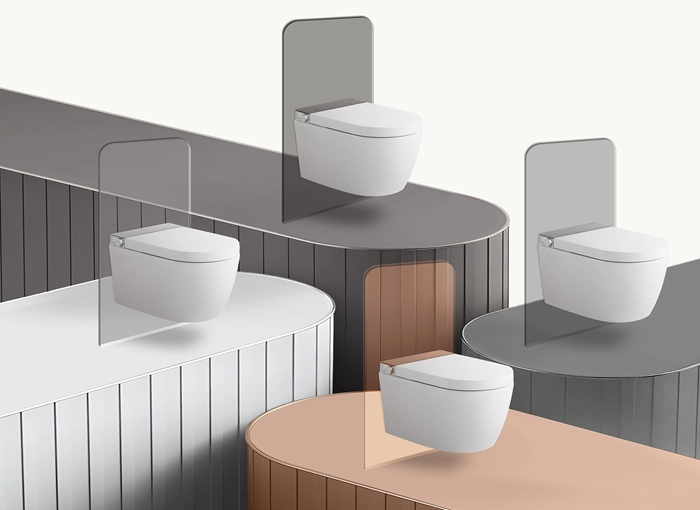
Um dos problemas mais comuns surge quando as sanitas inteligentes suspensas são instaladas sem um suporte adequado para suportar o peso. Estes sistemas dependem de estruturas ocultas que têm de ser fixadas com segurança no interior de paredes reforçadas.
Em muitos projetos comerciais, a resistência insuficiente das paredes ou uma estrutura incorreta conduzem à instabilidade, a infiltrações ou a riscos estruturais a longo prazo.
Dica: Para evitar isso, os engenheiros devem verificar sempre a capacidade de carga da parede e garantir que os sistemas de cisterna embutida sejam instalados de acordo com as especificações do fabricante antes de procederem ao acabamento da superfície da parede.
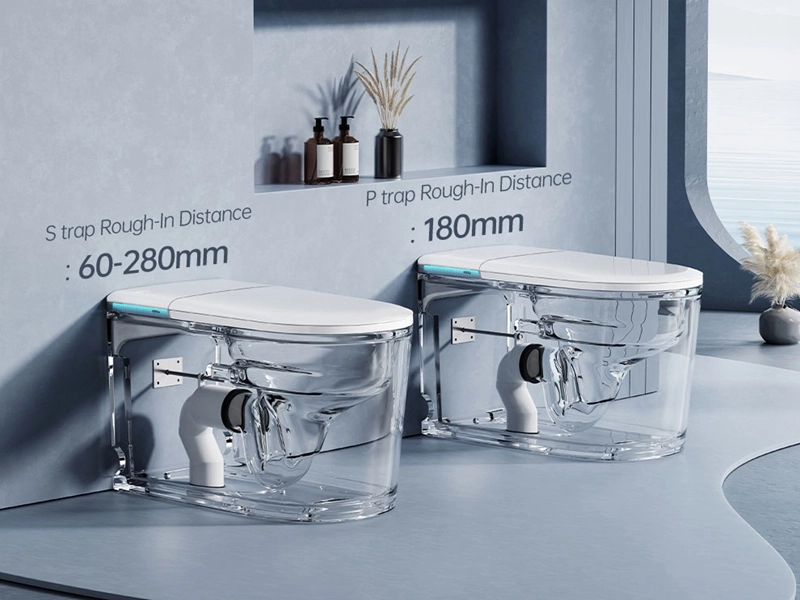
Alinhamento incorreto do sistema de escoamento (desfasamento entre o sifão em P e o sifão em S)
A incompatibilidade no sistema de drenagem é outro problema frequente em projetos internacionais. As diferentes regiões utilizam normas distintas em matéria de saídas de escoamento, tais como os sistemas de sifão em P ou em S, e uma escolha incorreta pode causar falhas na instalação.
Isto é especialmente importante em projetos de instalação de sanitas inteligentes onde os modelos sem depósito e os modelos encostados à parede exigem um posicionamento preciso da saída.
Dica: Antes da instalação, os empreiteiros devem verificar os desenhos da canalização e garantir a compatibilidade entre o tipo de saída da sanita e as normas de construção locais.
Baixa pressão da água em edifícios altos
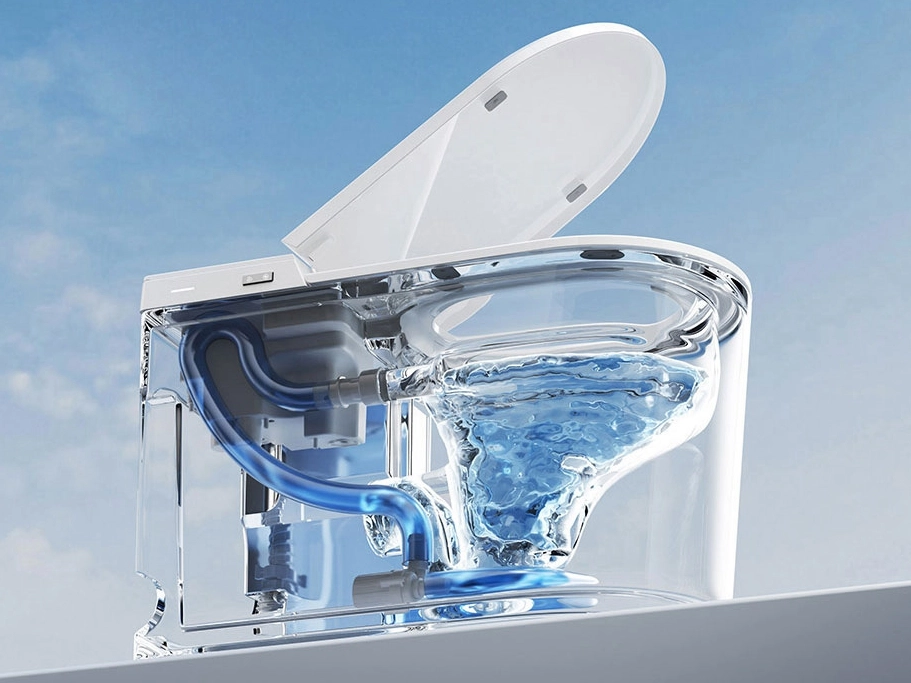
A pressão da água é um fator fundamental que é frequentemente ignorado durante a fase de planeamento. Em hotéis e edifícios de apartamentos de grande altura, uma pressão de água insuficiente pode resultar num fraco desempenho da descarga ou numa avaria do sistema.
Isto é particularmente relevante no caso das sanitas inteligentes sem cisterna, que dependem de uma pressão estável para ativar corretamente as funções de descarga e lavagem.
Dica: Para evitar este problema, devem ser realizados testes de pressão da água antes da instalação em grande escala, podendo ser necessários sistemas de reforço da pressão em determinados edifícios.
Instalação elétrica incorreta para funções inteligentes
As sanitas inteligentes incluem componentes eletrónicos, tais como assentos aquecidos, sensores e sistemas de descarga automática. Uma instalação elétrica inadequada pode causar avarias ou riscos de segurança.
Nas casas de banho comerciais, a tensão instável ou a falta de ligação à terra adequada constituem uma causa comum de avarias no sistema após a instalação.
Dica: A instalação elétrica deve sempre respeitar normas certificadas, tais como os requisitos CE ou SAA, consoante o mercado-alvo.
Falta de coordenação entre a instalação hidráulica e os acabamentos interiores
Outro problema comum surge quando a instalação da canalização e os acabamentos interiores não são devidamente coordenados. Depois de concluídos a colocação dos azulejos e os acabamentos das paredes, qualquer ajuste na canalização torna-se dispendioso e demorado.
Este problema conduz frequentemente a um posicionamento incorreto das sanitas ou a uma instalação incompleta em projetos de grande escala.
Dica: Para evitar isso, o planeamento da instalação deve ser integrado na fase inicial de conceção do projeto da casa de banho comercial.
Como evitar falhas de instalação em projetos de sanitas inteligentes para uso comercial
Bem-sucedido instalação de sanitas inteligentes em projetos comerciais depende de um planeamento adequado, em vez de correções após a instalação. Os empreiteiros devem verificar sempre os desenhos estruturais, a compatibilidade das instalações sanitárias e os requisitos elétricos antes do início da instalação em grande escala.
Dica: Os testes pré-instalação, a verificação de unidades de amostra e a coordenação técnica podem reduzir significativamente as taxas de avaria em grandes projetos, tais como hotéis, complexos residenciais e edifícios públicos.
Como é que a Snotor apoia a instalação de sanitas inteligentes em espaços comerciais?
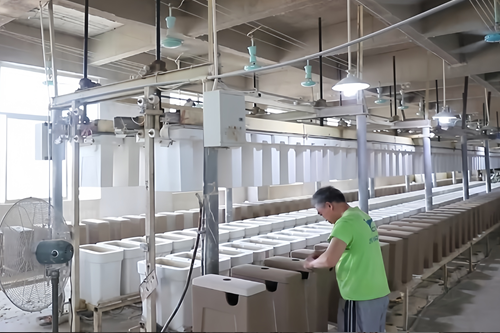
A Snotor, um fabricante líder de sanitas inteligentes, fornece orientações de instalação e apoio técnico para projetos B2B a nível global, ajudando distribuidores e empreiteiros a reduzir os riscos de instalação em diferentes mercados.
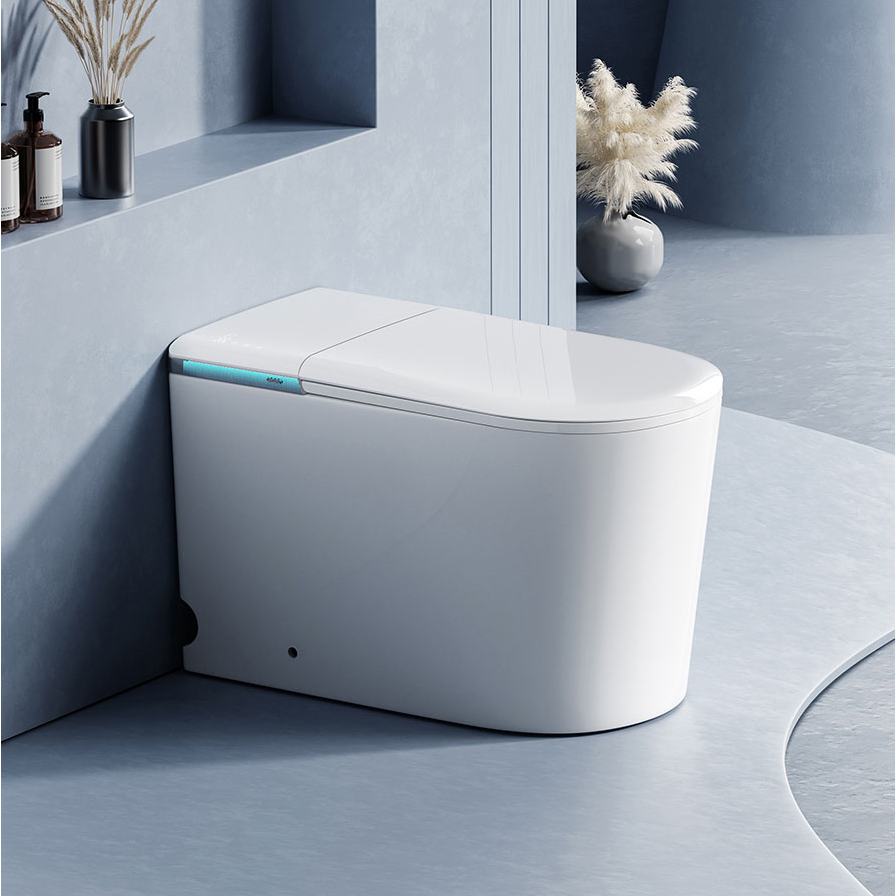
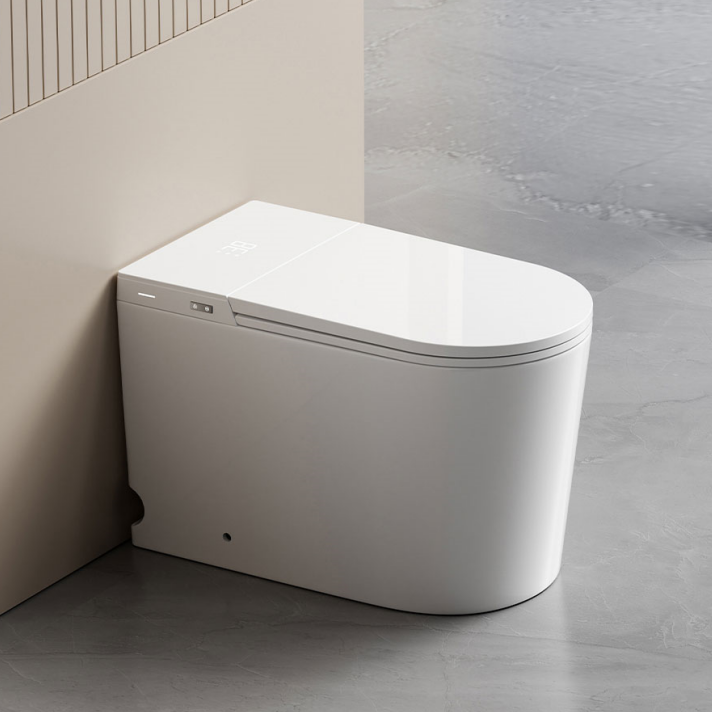
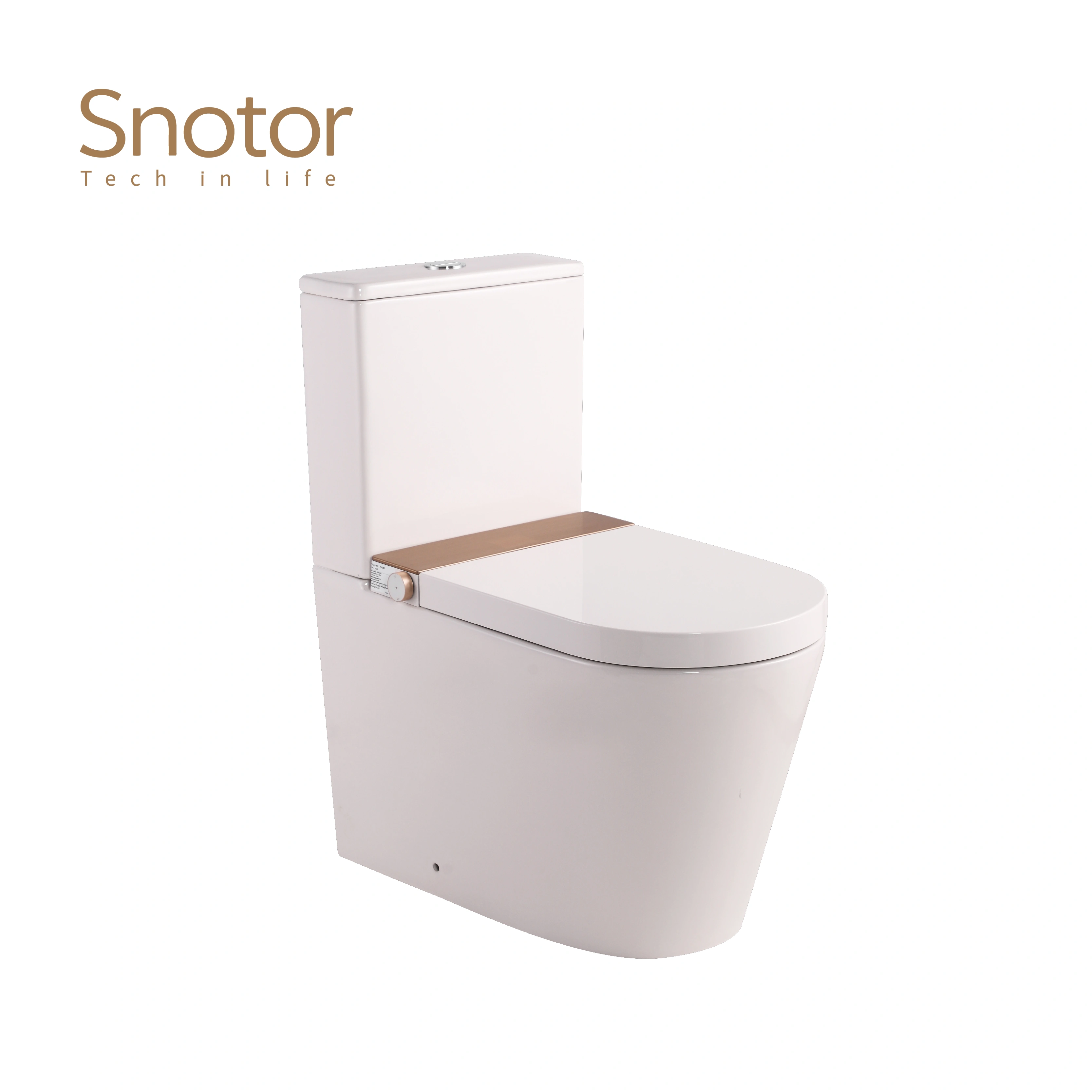
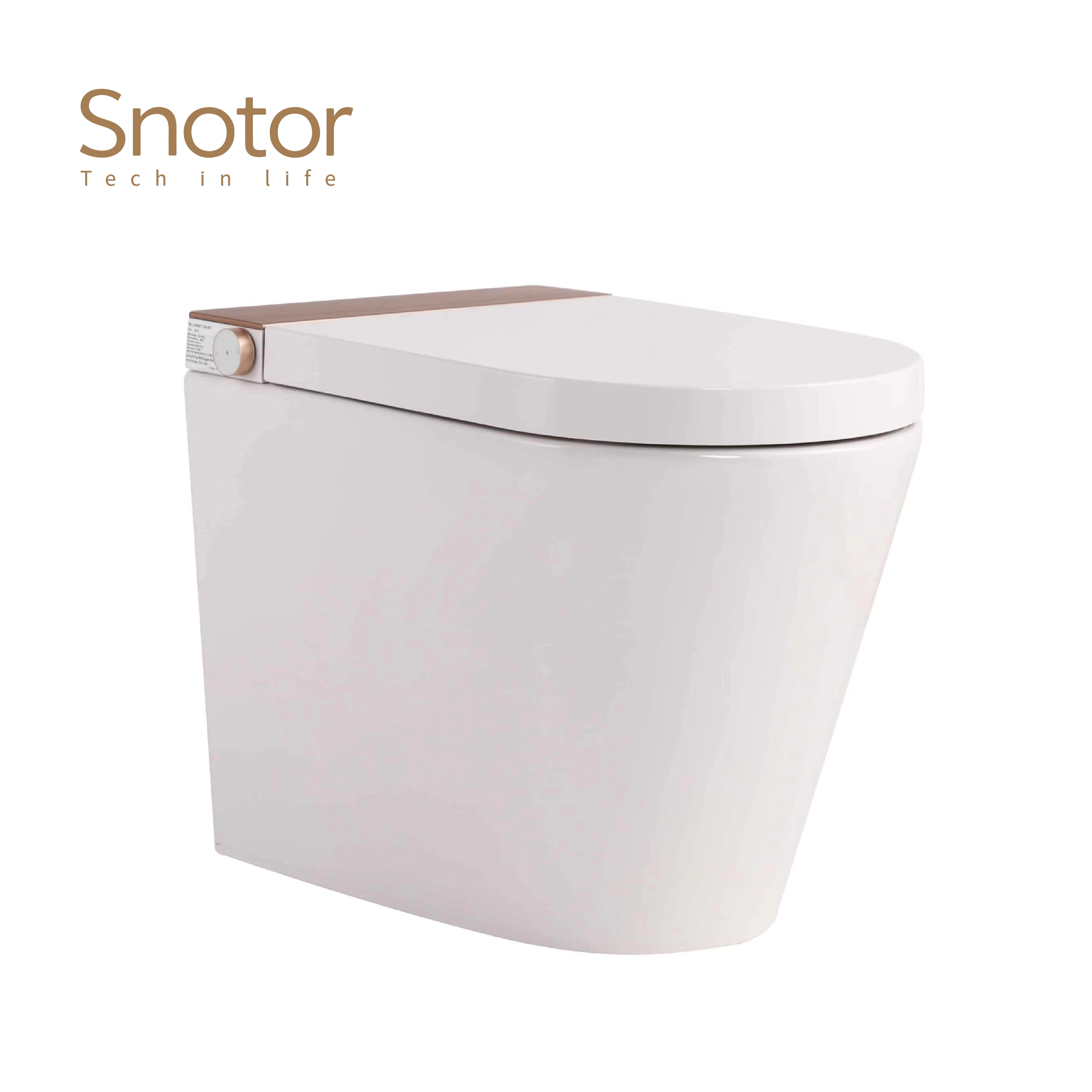
O nosso gama de sanitas inteligentes inclui suspenso na parede, sem depósito, de costas para a parede, e modelos de duas peças concebido de acordo com as normas internacionais de instalação, incluindo diferentes sistemas de drenagem e requisitos de tensão.
Com a personalização OEM e ODM, a Snotor ajuda os clientes a adaptar as especificações dos produtos aos requisitos locais dos projetos, garantindo uma instalação mais simples e menos problemas no local.
Conclusão
A maioria dos problemas relacionados com a instalação de sanitas inteligentes em projetos comerciais pode ser evitada com um planeamento adequado e conhecimentos técnicos. Problemas como erros na estrutura das paredes, incompatibilidade no sistema de drenagem e configuração elétrica incorreta podem afetar significativamente os prazos e os custos do projeto.
Trabalhar com A Snotor, um fabricante experiente, ajuda os empreiteiros e distribuidores a reduzir os riscos de instalação e a garantir um desempenho fiável em projetos de casas de banho de grande escala. Não hesite em contactar-nos para obter aconselhamento sobre soluções profissionais de venda por grosso e instalação de sanitas inteligentes!