

Smart toilet certifications, including cUPC, CE, WaterMark, and SAA, are essential for B2B buyers to ensure that the products they import meet local safety, water efficiency, and electrical standards. Snotor, a leading smart toilets manufacturer and supplier in China, explains these certifications, their relevance to different markets, and how to choose certified smart toilets that align with your project needs.
Why Smart Toilet Certifications Matter for Global Buyers?
Purchasing smart toilets for commercial or residential projects is not just about design or price. Certifications serve as a guarantee that the product:
- Meets regional safety and hygiene standards
- Complies with water efficiency regulations
- Reduces the risk of installation or operational failures
- Simplifies customs clearance and regulatory approvals
For B2B buyers, choosing certified smart toilets is crucial to protecting long-term investments, minimizing maintenance issues, and avoiding legal complications.
cUPC Certification
What is cUPC?
The cUPC (Uniform Plumbing Code Certification) is primarily required in the United States and Canada. It ensures that smart toilets comply with water efficiency, drainage safety, and plumbing standards.
Products bearing cUPC certification have been tested for:
- Water-saving performance (e.g., dual-flush efficiency)
- Flush performance and drainage compliance
- Material safety and durability

Why cUPC Matters for Importers
For hotels, apartments, and commercial projects in North America, importing non-CUPC-certified smart toilets can result in:
- Rejected shipments at customs
- Legal penalties for non-compliant plumbing fixtures
- Increased warranty claims due to substandard performance
By sourcing cUPC-certified smart toilets, importers can ensure reliability, regulatory compliance, and end-user satisfaction.
CE Certification
Overview of CE for Smart Toilets
The CE mark indicates conformity with European Union directives on product safety, electromagnetic compatibility, and environmental standards. For smart toilets, CE certification covers:
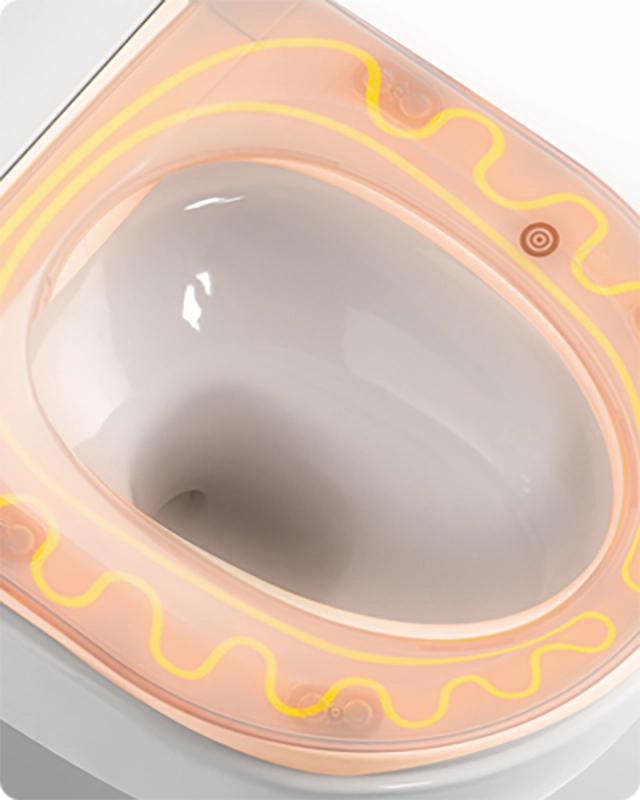
- Electrical safety for heated seats, bidet functions, and automatic flush systems
- EMC compliance to prevent electrical interference
- General product safety
How CE Certification Supports B2B Buyers
For distributors targeting European markets, CE-certified smart toilets help:
- Ensure legal compliance for commercial installations
- Facilitate easier sales in EU countries
- Reduce the risk of fines, recalls, or project delays
WaterMark Certification
What WaterMark Certifies
WaterMark certification is mandatory for plumbing products in Australia and New Zealand. It ensures that smart toilets meet:
- Water efficiency standards
- Safe plumbing installation requirements
- Compliance with local building codes
Importance of Commercial Projects
For hotels, public buildings, and residential developments in these regions, WaterMark-certified smart toilets:
- Guarantee reliable operation under local water pressures
- Reduce maintenance issues
- Ensure smooth project approval and inspection processes

SAA Certification
SAA Overview
The SAA (Standards Australia Approval) certification focuses on electrical safety for products used in the Australian and New Zealand markets. For smart toilets, this is particularly relevant for:
- Tankless heating systems
- Automatic bidets and washlet functions
- Motion sensors and smart control panels
Benefits for B2B Buyers
SAA certification provides importers and distributors with:
- Assurance that electrical components are safe and reliable
- Reduced risk of legal or liability issues
- Confidence when selling smart toilets in commercial or residential projects
How to Choose Certified Smart Toilets for Your Market
- Target market regulations: Match certification with region: USA/Canada → cUPC, EU → CE, Australia/NZ → WaterMark + SAA
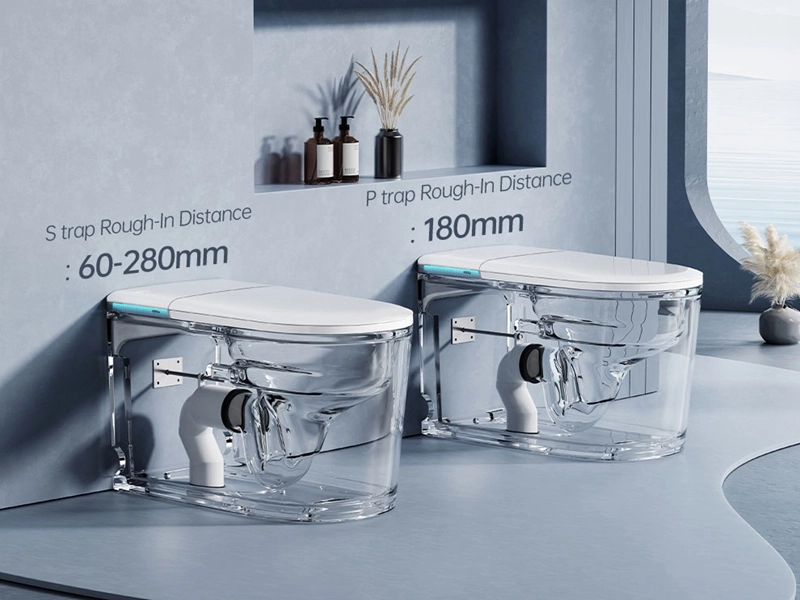
- Installation compatibility: Check water pressure, voltage, drainage type (P-trap vs. S-trap), and floor vs. wall-mounted installation.
- OEM/ODM flexibility: Ensure the manufacturer supports private labeling or custom configurations aligned with local certification requirements.
- Smart functionality compliance: Features like heated seats, automatic flushing, or UV sterilization should also meet regional standards.
Why Work with a Snotor, Reliable Smart Toilet Manufacturer?
Selecting a certified manufacturer is critical. Snotor offers:
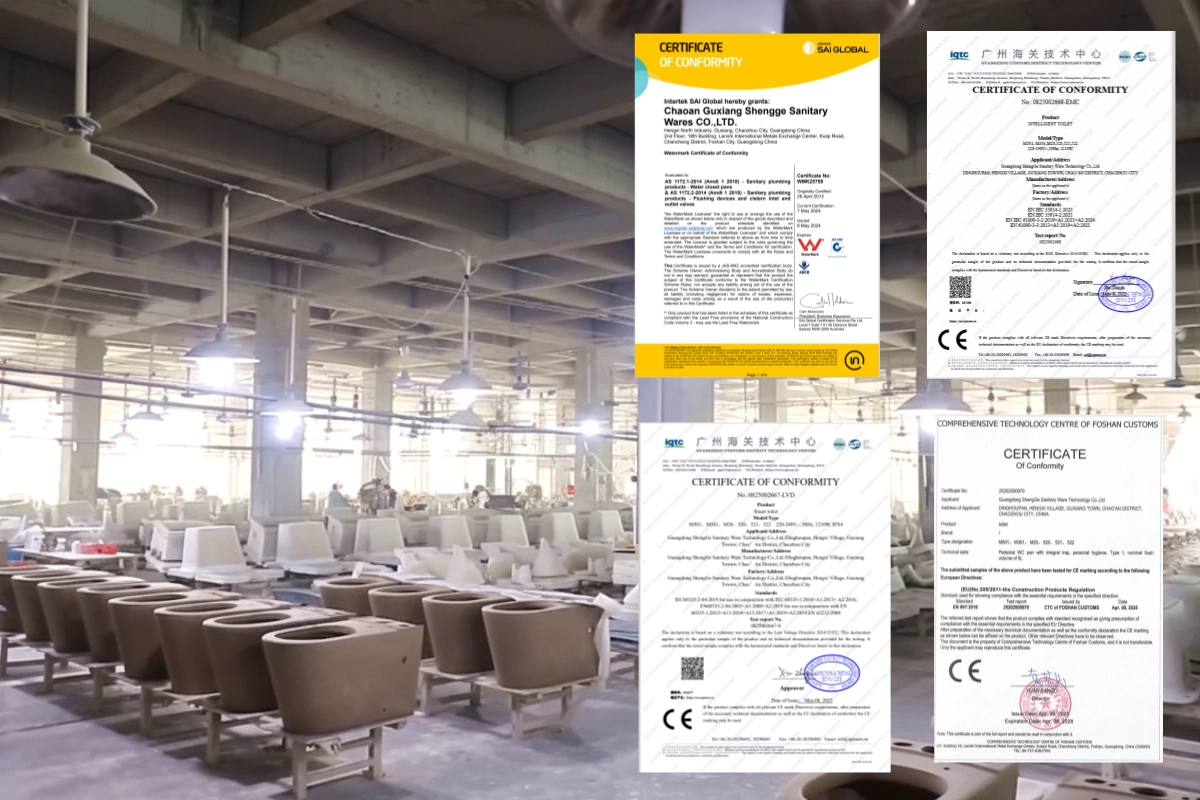
- Comprehensive certification coverage: cUPC, CE, WaterMark, and SAA certified smart toilets
- OEM/ODM support: Customizable smart toilet solutions for different markets
- Stable production capacity: Ensures timely delivery for commercial projects
- Export experience: Smooth logistics and compliance with international regulations
Partnering with a reliable manufacturer like Snotor allows importers and distributors to confidently source smart toilets that meet global standards.
Matching Certifications to Projects
| Market | Required Certifications | Recommended Models | Notes |
|---|---|---|---|
| USA / Canada | cUPC | Tankless, Wall-Hung, Back-to-Wall | Ensure water efficiency & drainage safety |
| EU | CE | Wall-Hung, Back-to-Wall | Check EMC & electrical safety for heated seats |
| Australia / New Zealand | WaterMark + SAA | Tankless, Back-to-Wall | Confirm plumbing & electrical compliance |
| Global Multi-Market | Multiple certifications | Custom OEM/ODM | The manufacturer can adapt features & labeling |
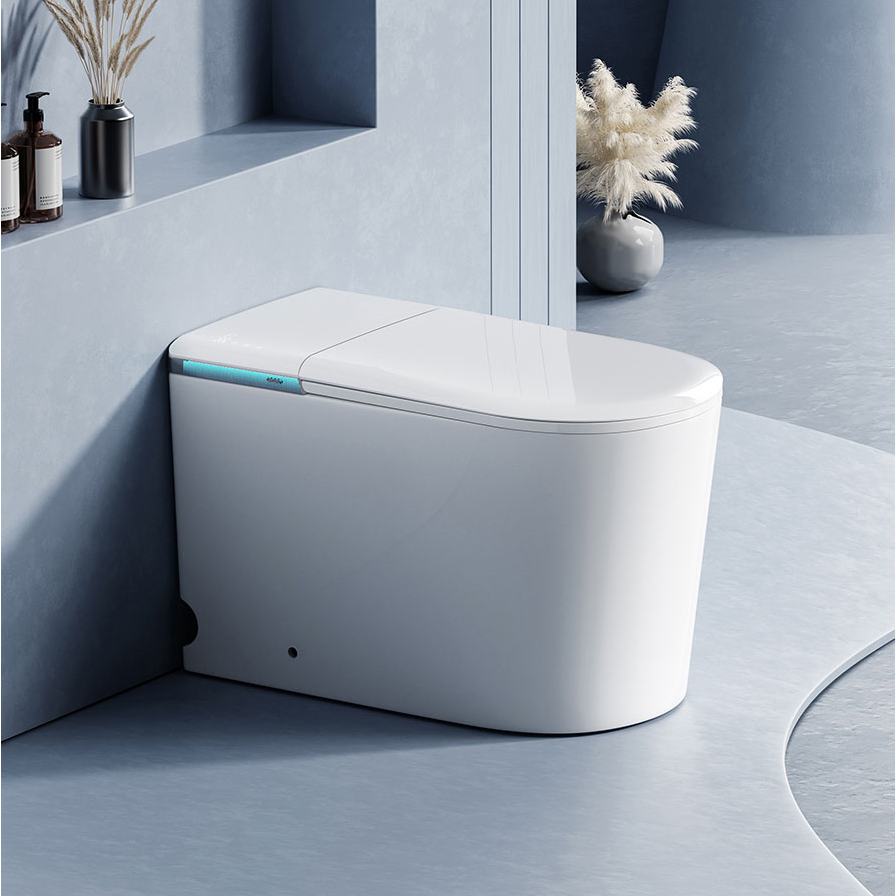
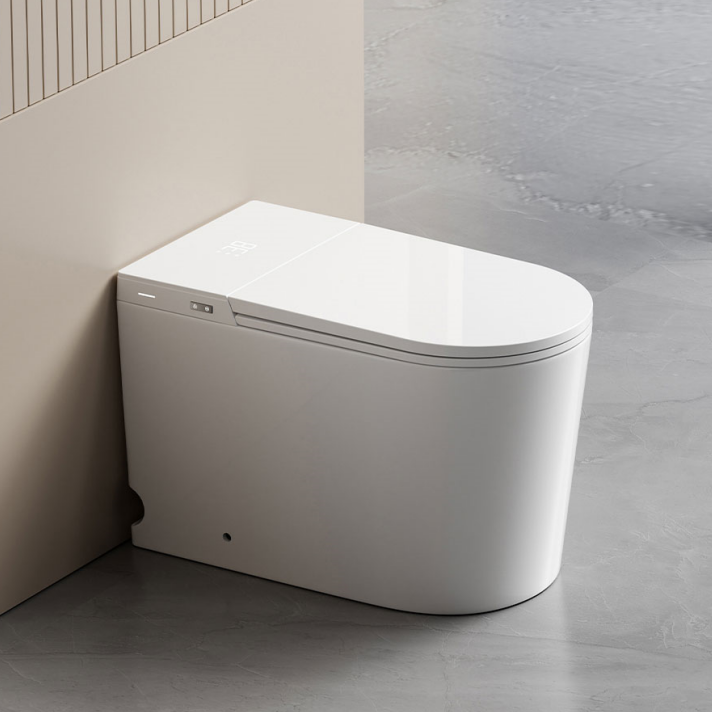
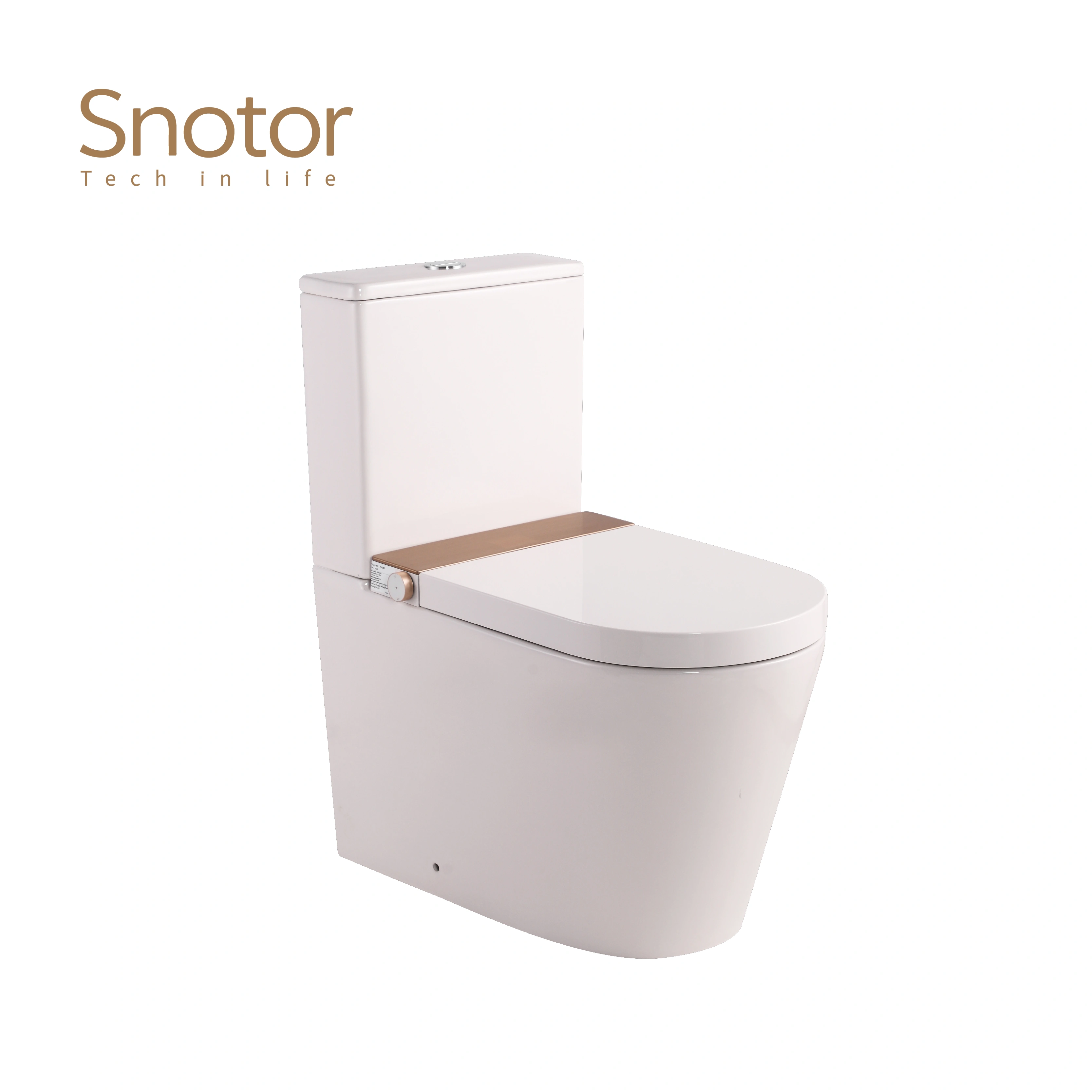
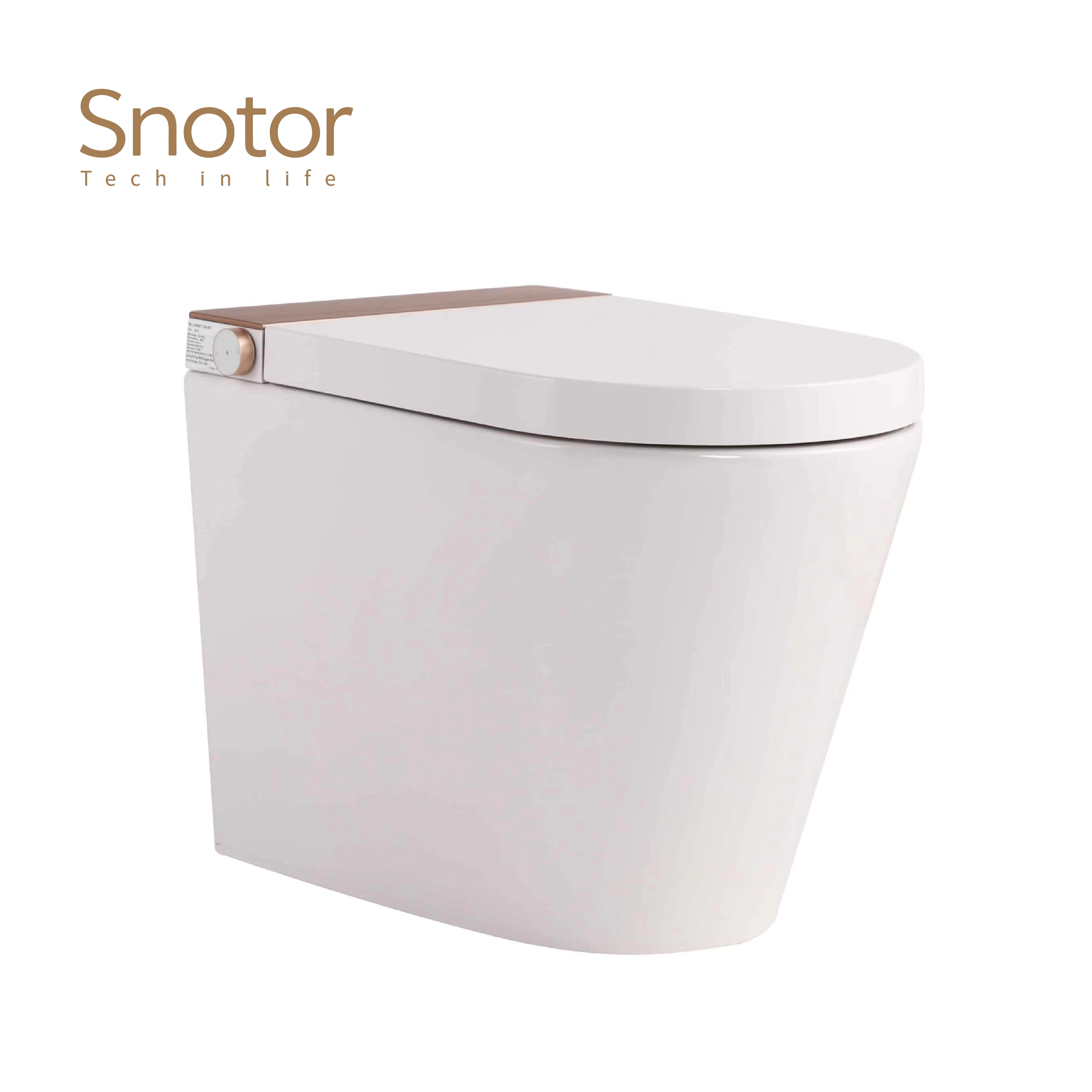
By aligning certifications with market requirements, B2B buyers reduce regulatory risks and improve project success rates. Snotor offers a full range of certified smart toilets wholesale, including Wall-Hung, Tankless, Back-to-Wall, and Two-Piece models, suitable for any commercial or residential project.
Common Questions About Smart Toilet Certifications
Q1: Can a smart toilet certified in one region be sold in another?
A1: Usually not. Each region has distinct standards. Multi-market products require multiple certifications.
Q2: Are all smart toilets required to have electrical safety certification?
A: Only models with electrical components (heated seats, bidet washlets, sensors) require certification like CE or SAA.
Q3: How do certifications impact project approval?
A: Certified products simplify approvals, reduce inspection delays, and protect your company from liability.
Conclusion
For B2B importers, distributors, and project buyers, sourcing certified smart toilets is essential. Understanding cUPC, CE, WaterMark, and SAA ensures compliance, reduces operational risks, and provides confidence in long-term project success.
Partnering with Snotor, a reliable smart toilet manufacturer, offers comprehensive certifications and OEM/ODM support, allowing buyers to source high-quality, compliant smart toilets for hotels, apartments, commercial buildings, and residential developments worldwide. If you plan to source certified smart toilets for your market. Feel free to contact us for a quote!