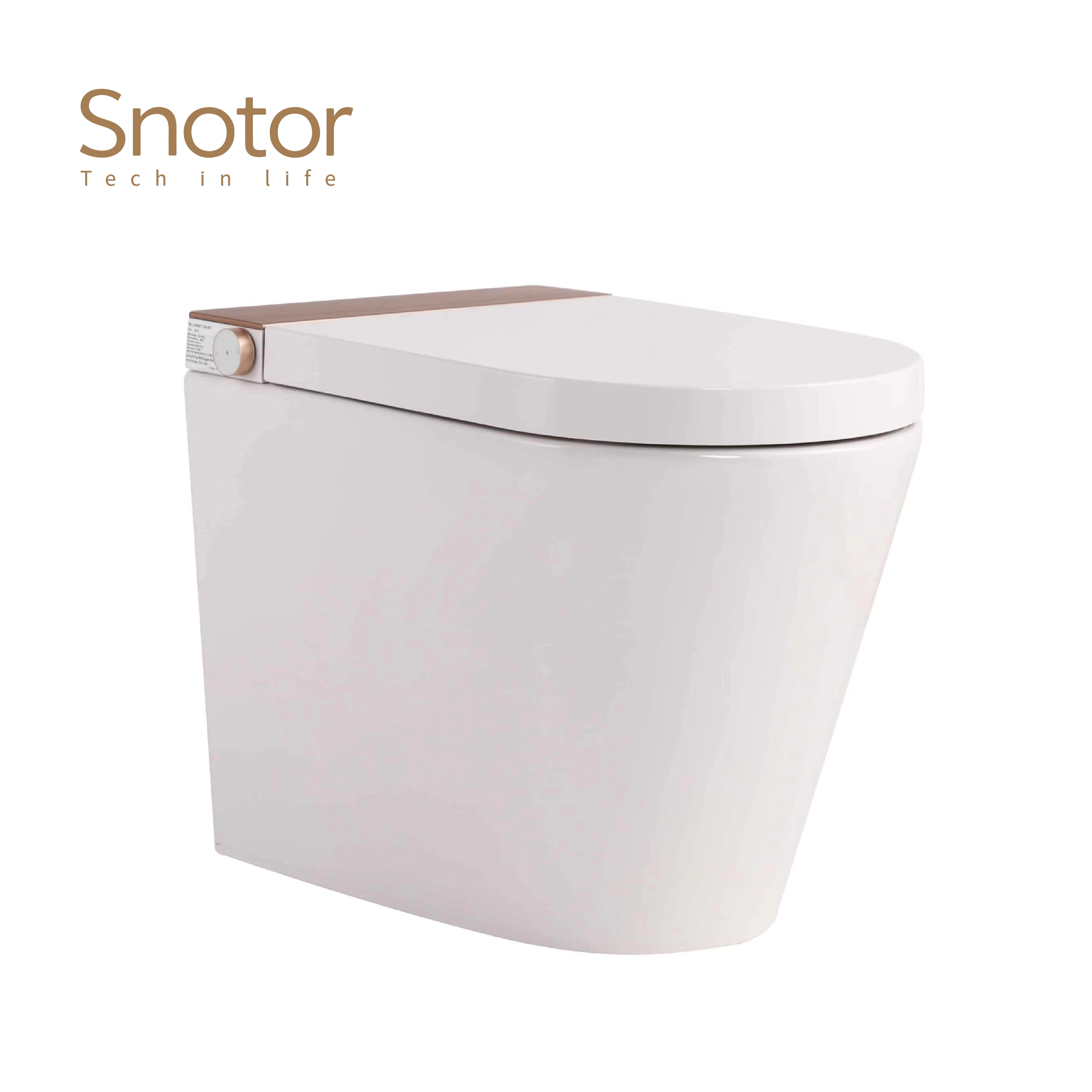


Smart toilets have become a standard configuration in hotels, office buildings, and high-end residential projects. However, during procurement, many buyers ask a critical question: Do smart toilets need electricity to function properly? This is not just a technical concern. It directly affects installation planning, user experience, operational stability, and long-term costs.
In this guide, we break down how smart toilets use electricity, what happens during power outages, and how to select the right bathroom solution for commercial projects, based on real-world application logic and Snotor’s manufacturing expertise.
Why Do Smart Toilets Need Electricity? Key Functional Breakdown
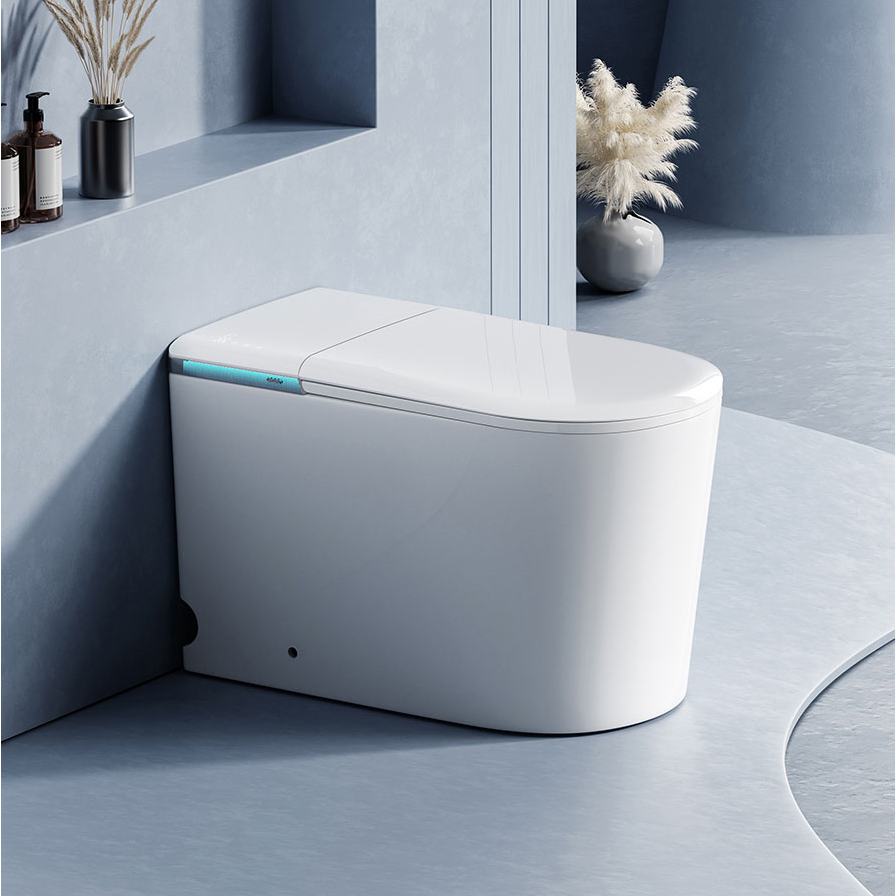
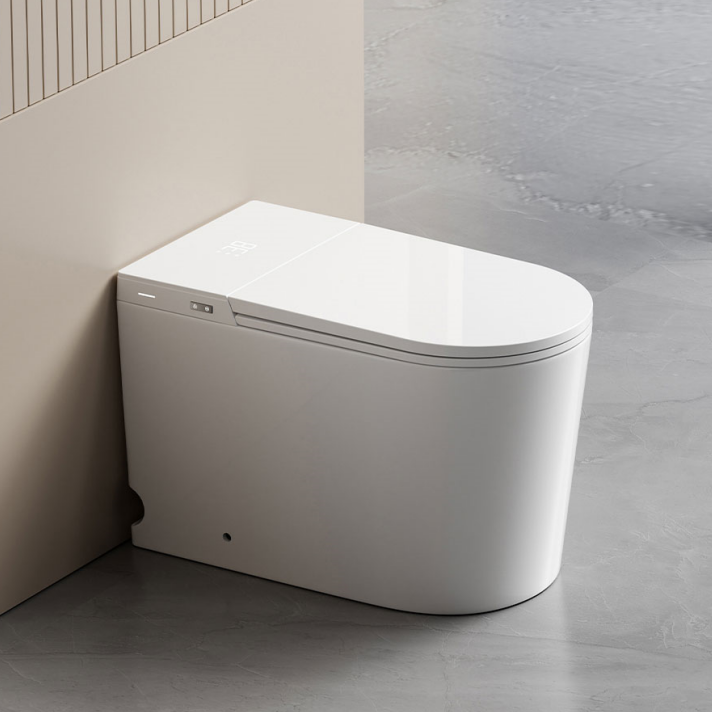
A smart toilet is essentially a combination of a ceramic structure, an electronic control system, and functional modules. Its “smart” features are almost entirely powered by electricity.
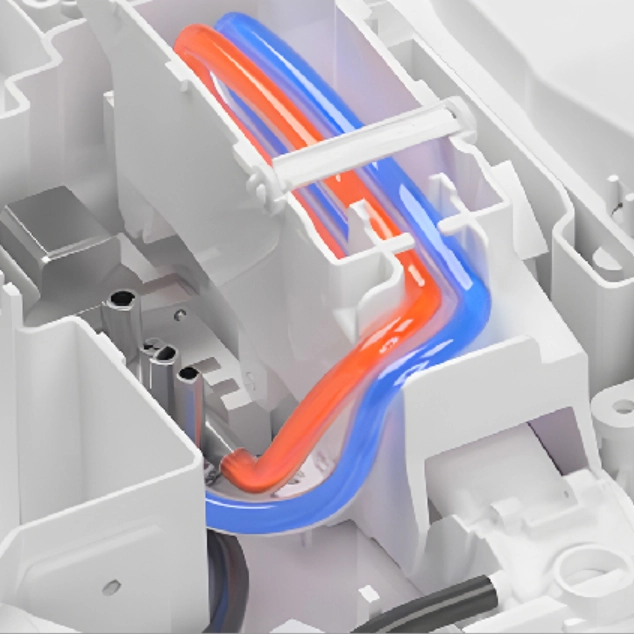
Function 1: Warm Water Cleansing System (Core Function)
- Instant heating technology (mainstream in commercial projects)
- Adjustable water temperature and pressure
- Continuous water supply
Technical insight: Instant heating systems are more energy-efficient and hygienic than tank-based systems, making them the preferred choice for large-scale projects.
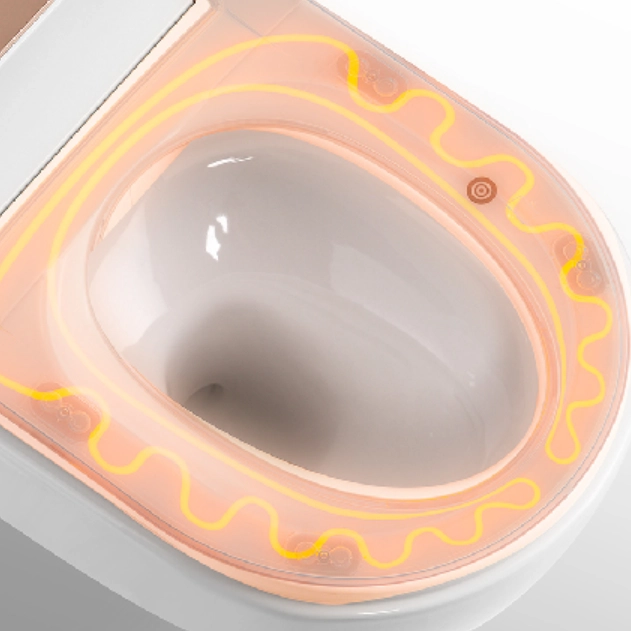
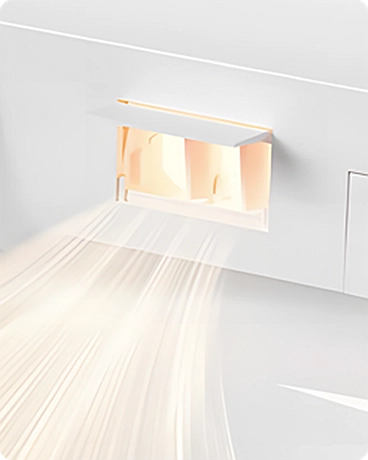
Function 2: Heated Seat and Warm Air Dryer
- Temperature-controlled seat for comfort
- Integrated drying system reduces paper usage
In hospitality environments, these features directly influence guest satisfaction and reviews.
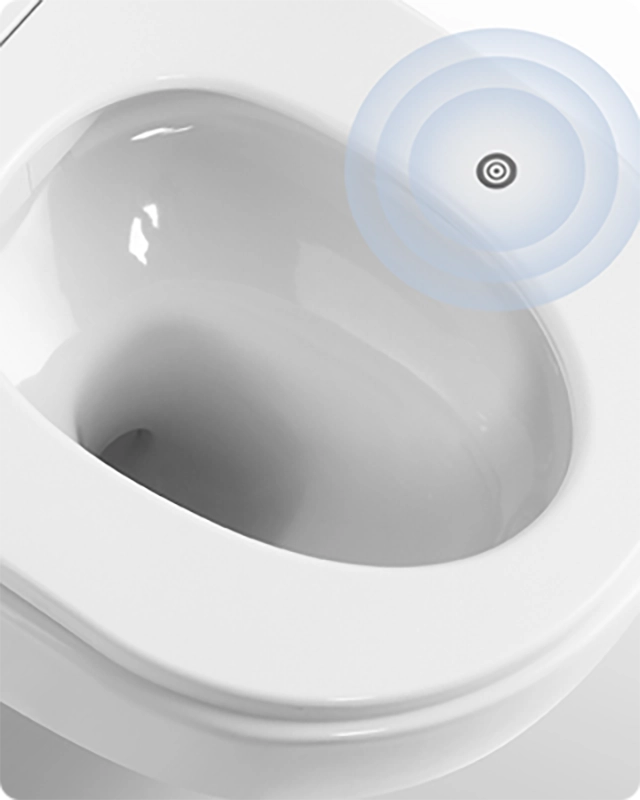
Function 3: Sensor-Based Operation and Auto Flushing
- Automatic flushing after use
- Foot sensor or radar lid opening
- Touchless interaction
Application value: Reduces cross-contamination risks and improves hygiene standards in public and high-traffic environments.
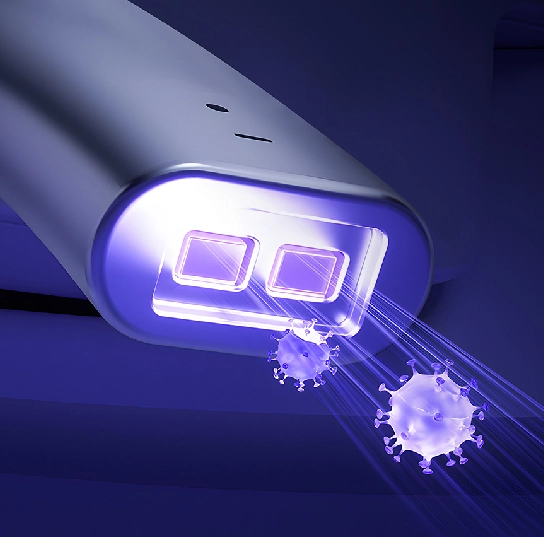
Function 4: Deodorization and Sterilization Systems
- Activated carbon odor control
- UV sterilization (in advanced models)
These features are particularly valuable in commercial restrooms and shared facilities.
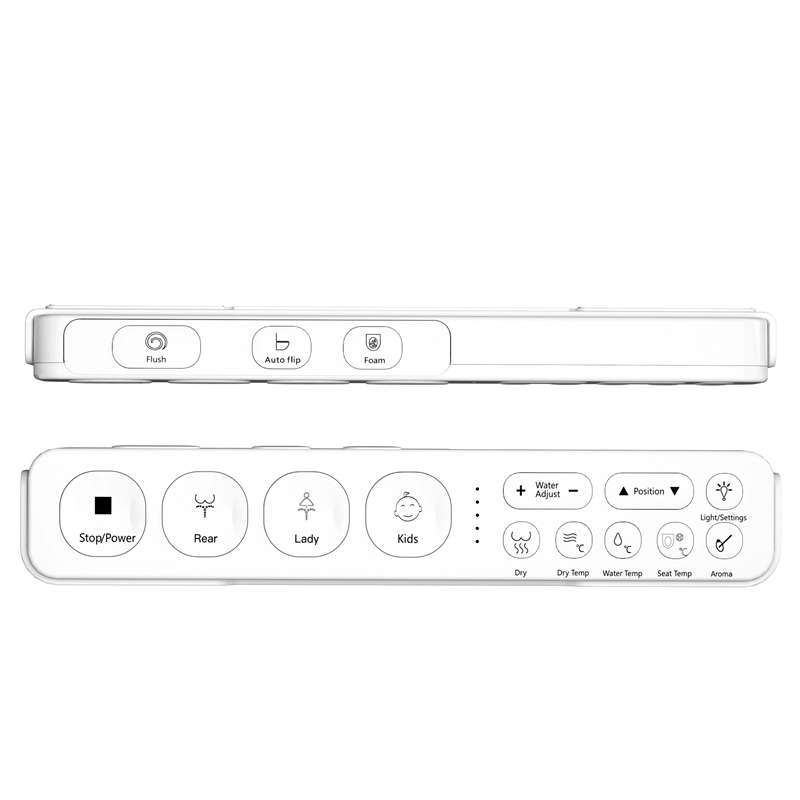
Function 5: Smart Control and Self-Diagnosis
- Remote or one-touch operation
- Fault detection and alerts
- System diagnostics
Operational benefit: Reduces maintenance workload and improves facility management efficiency.
Most smart toilet features, including cleansing, heating, drying, and sensing, require electricity. Without power, a smart toilet cannot deliver its full functionality.
Can Smart Toilets Work Without Electricity?
This is a critical consideration for risk assessment in commercial projects.
What Still Works Without Electricity?
- Basic flushing (depending on model design)
- The ceramic body functions as a standard toilet
What will Stop Working?
- Warm water cleansing
- Heated seat
- Warm air drying
- Automatic flushing
- Deodorization system
Impact of Smart Toilets Working Without Electricity on Commercial Projects
Reduced User Experience
- Hotels: negative guest feedback
- High-end residences: reduced perceived value
Lower Hygiene Standards
- Increased physical contact due to the loss of automation
Higher Maintenance Pressure
- More complaints
- Increased manual intervention
A smart toilet without electricity is still usable, but no longer “smart,” which can significantly impact commercial operations.
Do Smart Toilets Consume a Lot of Electricity?
For B2B buyers, the key concern is not just power dependency, but energy efficiency and long-term cost.
Main Power Consumption Sources
| Component | Energy Usage Characteristics |
|---|---|
| Heating system | High instantaneous power |
| Drying system | Moderate consumption |
| Standby mode | Low but continuous |
Modern Smart Toilet Energy-Saving Technologies
Instant Heating
- Heats water only when needed
- Eliminates standby heat loss
Energy-Saving Mode
- Automatically reduces power usage during idle periods
Smart Sensors
- Activates functions only when in use
Cost Implications in Large Projects
Energy consumption becomes significant in:
- Hotels (dozens or hundreds of rooms)
- Residential developments
- Commercial buildings
Choosing energy-efficient smart toilets can significantly reduce long-term operational costs.
Power and Feature Requirements by Application Scenario
Not all smart toilets need the same level of functionality. Selection should match the usage environment.
| Application Scenario | Key Priorities | Recommended Features | Power Dependency Level | Procurement Focus |
|---|---|---|---|---|
| Hotels | User experience, stability, low noise | Auto flushing, warm water cleansing, heated seat, deodorization | High | Ensure stable power supply, prioritize low-noise and high-reliability systems |
| Office Buildings & Commercial Spaces | Durability, low maintenance, cost control | Auto flushing, basic cleansing (optional), simplified controls | Medium | Choose energy-efficient models with fewer complex functions to reduce failure rates |
| High-End Residential Projects | Comfort, smart experience, personalization | Full features (cleansing, drying, heated seat, smart control, deodorization) | High | Focus on advanced features, energy-saving modes, and user-friendly interfaces |
How to Choose the Right Smart Toilet for Your Project?
Based on commercial project experience, purchasers should evaluate the following:
Factor 1: Functional Stability
- Is the cleansing system reliable?
- Is the flushing mechanism consistent?
Factor 2: Electronic Control System
- Sensor accuracy
- Self-diagnosis capability
Factor 3: Energy Efficiency
- Instant heating vs. tank heating
- Smart energy-saving modes
Factor 4: Material and Structure
- Ceramic quality and glazing
- Waterproof electronic design
Factor 5: Supplier Capability (Critical for B2B)
- Mass production capacity
- OEM/ODM support
- Project experience
How Snotor Ensures Reliable Smart Toilet Solutions?
In commercial projects, product performance alone is not enough—supplier capability is equally critical. Snotor, a professional smart toilet manufacturer, provides complete solutions tailored to B2B buyers:
Stable Product Performance
- Optimized electronic control systems
- Tested functional modules for high-frequency use
- Designed for long-term reliability
Energy-Efficient Design
- Instant heating technology
- Smart energy-saving systems
- Lower operational costs at scale
OEM/ODM Customization
- Flexible feature configurations
- Branding support
- Adaptation to different market standards
Scalable Supply for Projects
- Reliable bulk production
- Support for hotel and construction projects
- Professional product selection guidance
Do Smart Toilets Need Electricity?
The answer is clear: Yes, smart toilets require electricity to deliver their full functionality. However, for commercial buyers, the real focus should be stability, energy efficiency and supplier reliability. Choosing the right product and manufacturer ensures long-term project success. If you are sourcing smart toilets for a commercial or residential project, it is essential to evaluate power requirements, energy efficiency, and system reliability. Contact Snotor today to get tailored solutions and competitive wholesale pricing.