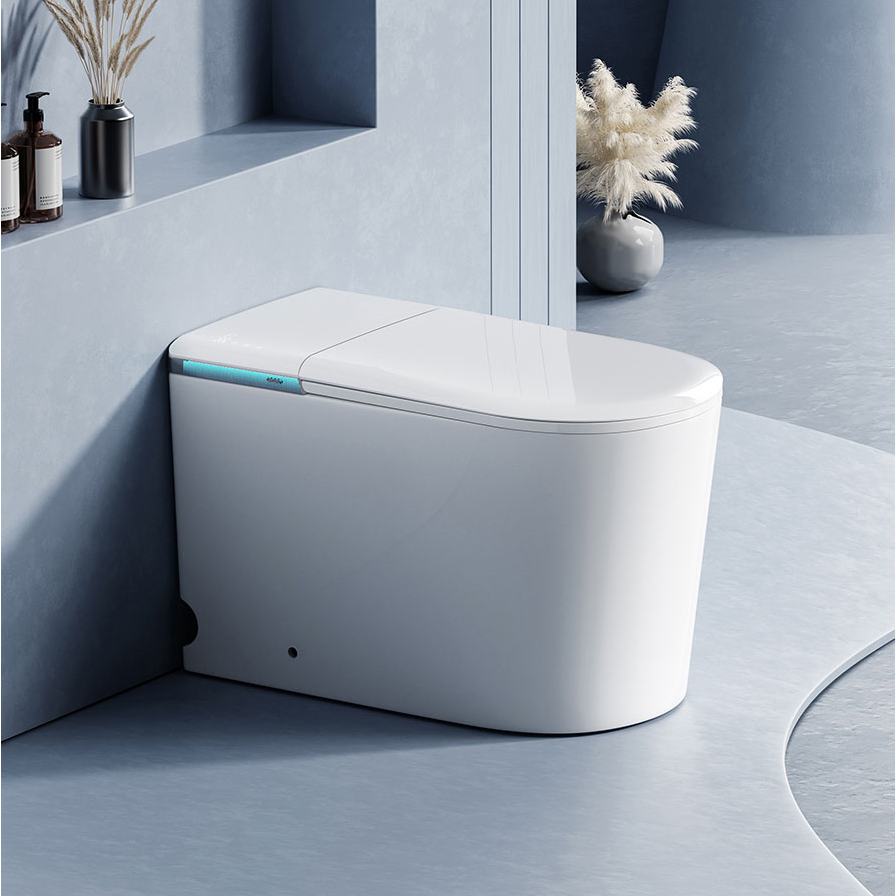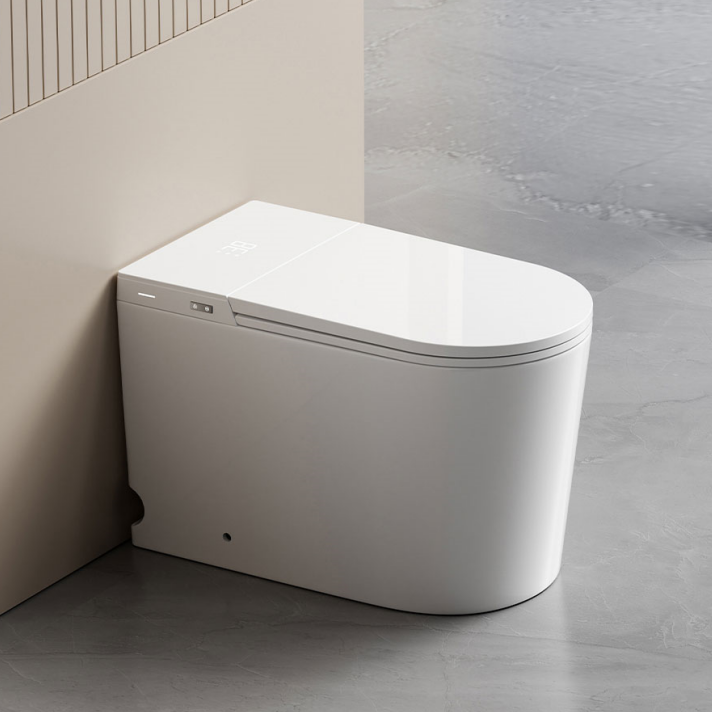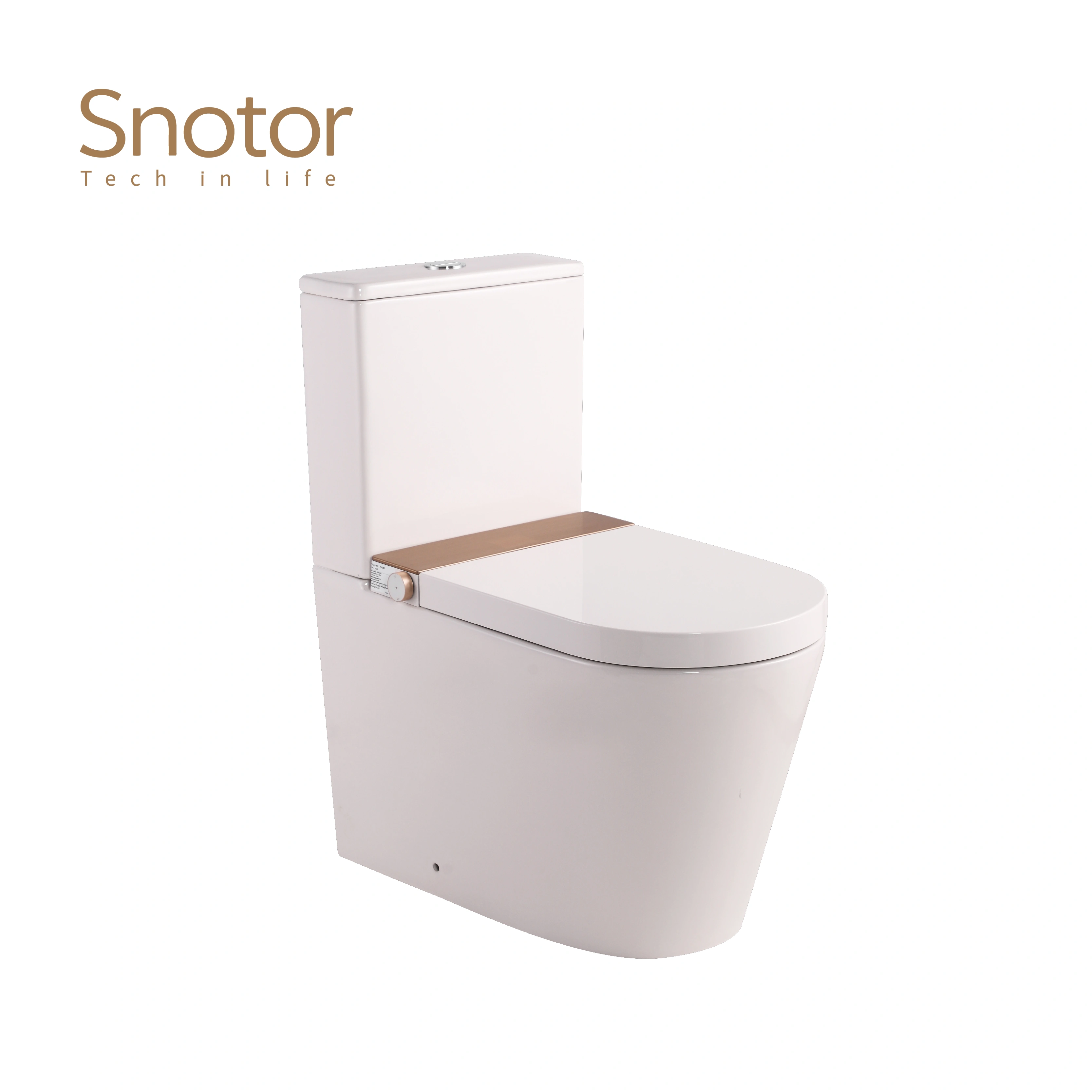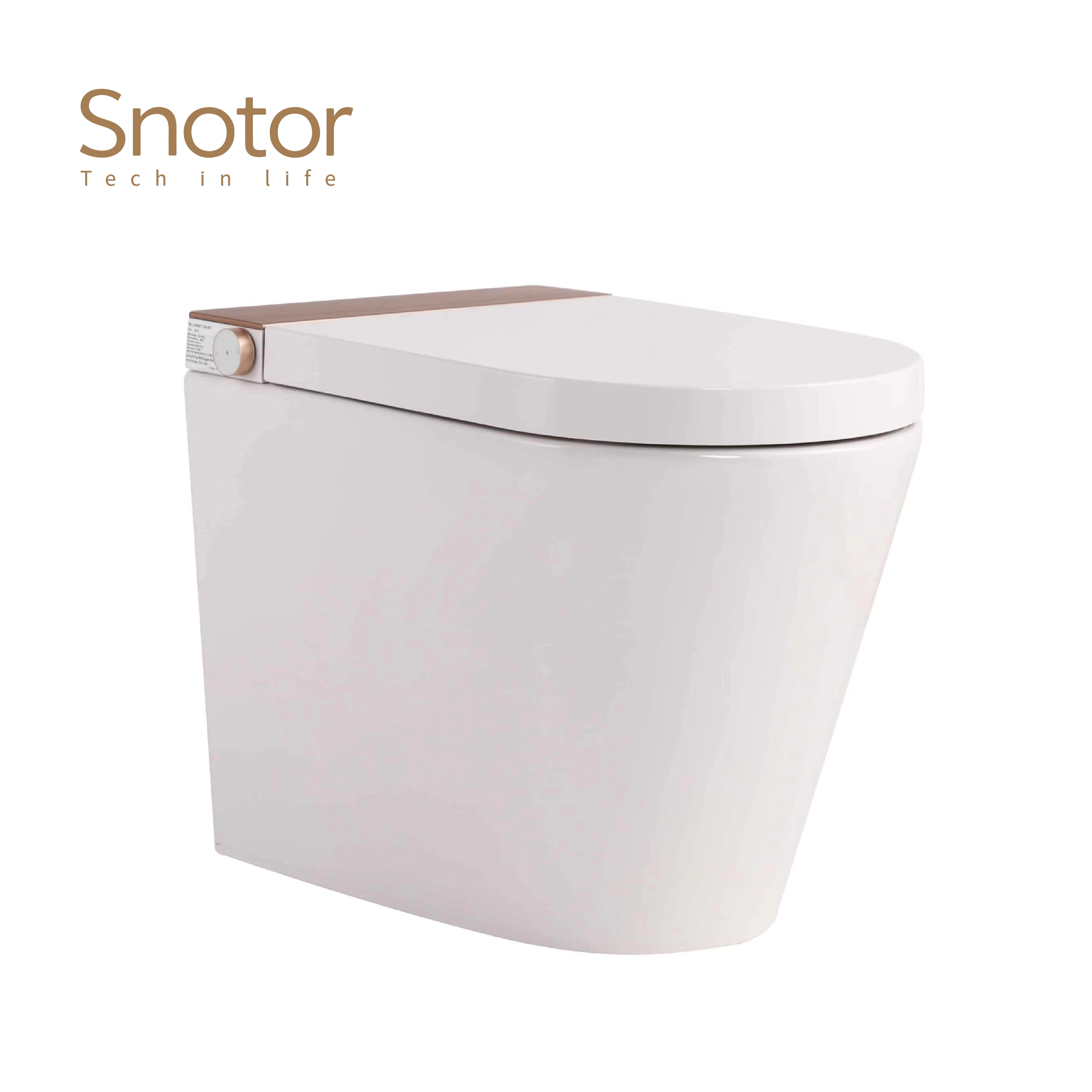


Die Leistung von Smart-Toiletten hängt nicht nur von den Produktmerkmalen und dem Design ab. Bei gewerblichen Projekten wie Hotels, Wohnanlagen und Bürogebäuden ist ein stabiler Wasserdruck unerlässlich, um eine zuverlässige Spülung, komfortable Bidetfunktionen und einen langfristigen Betrieb zu gewährleisten. Vor dem Großeinkauf von Smart-Toiletten sollten B2B-Einkäufer die Anforderungen an den Wasserdruck, die Sanitärbedingungen und die Installationsaspekte kennen, um Leistungsprobleme und unerwartete Projektkosten zu vermeiden.
Warum ist der Wasserdruck bei gewerblichen Smart-Toiletten so wichtig?
Im Gegensatz zu herkömmlichen Toiletten, intelligente Klosetts Kombinieren Sie moderne Spülsysteme mit elektronischen Funktionen wie automatischer Spülung, Bidet-Funktion, beheizbaren Sitzen und sensorgesteuerter Bedienung. Diese Funktionen erfordern eine konstante Wasserversorgung, um ordnungsgemäß zu funktionieren.
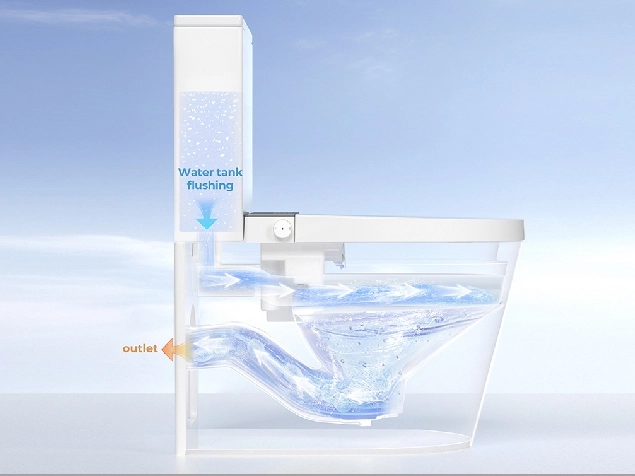
In gewerblichen Gebäuden ist die Wasserdrucksituation oft komplexer als in Wohngebäuden. Hochhäuser, mehrere Sanitärbereiche und gemeinsam genutzte Sanitäranlagen können Druckschwankungen verursachen, die die Leistung von Smart-Toiletten beeinträchtigen.
Ein unzureichender oder schwankender Wasserdruck kann folgende Folgen haben:
- Schwache Spülleistung
- Verminderte Wirksamkeit des Bidet-Strahls
- Längere Nachfüllzeiten
- Uneinheitliche Benutzererfahrung
- Erhöhter Wartungsaufwand
Für Hotels, Apartmentanlagen und Großprojekte ist die Überprüfung des Wasserdrucks vor der Installation ein entscheidender Schritt bei der Planung von Projekten mit intelligenten Toiletten.
Empfohlene Wasserdruckanforderungen für Smart-Toiletten
Die genauen Anforderungen variieren je nach Modell der intelligenten Toilette und den Herstellerangaben. Die meisten handelsüblichen intelligenten Toiletten benötigen jedoch eine stabile Wasserversorgung, um eine optimale Leistung zu erzielen.
Zu den wichtigsten Faktoren zählen:
- Dynamischer Wasserdruck
- Statischer Wasserdruck
- Durchflussmenge
- Rohrdimensionierung
- Druckstabilität
Das Verständnis dieser Faktoren hilft Projektmanagern und Einkäufern dabei, geeignete Lösungen für intelligente Toiletten für unterschiedliche Umgebungen auszuwählen.
Dynamischer Wasserdruck: 20–30 PSI für optimale Leistung
Der dynamische Druck bezieht sich auf den Wasserdruck während des aktiven Betriebs der Toilette. Für viele gewerbliche Anwendungen mit intelligenten Toiletten liegt der empfohlene dynamische Druckbereich in der Regel bei etwa 20 bis 30 PSI.
Ein ausreichender dynamischer Druck gewährleistet eine starke Spülleistung, eine effektive Reinigung des Toilettenrandes, einen gleichmäßigen Bidet-Wasserstrahl und eine schnellere Reaktion bei häufiger Nutzung.
Wenn der Druck unter den erforderlichen Wert fällt, kann es bei intelligenten Toiletten zu einer verminderten Spülkraft oder einer schwächeren Reinigungsleistung kommen. Dieses Problem tritt besonders häufig in Hochhaushotels, mehrstöckigen Wohngebäuden und älteren Gewerbeimmobilien auf.
Vor der Installation sollten die Installateure den tatsächlichen Betriebsdruck prüfen, anstatt sich ausschließlich auf die statischen Druckwerte zu verlassen.
Maximaler statischer Druck: Nicht über 80 PSI
Der statische Druck bezeichnet den Wasserdruck, wenn die Armatur nicht in Betrieb ist.
Bei den meisten Sanitäranlagen wird empfohlen, den statischen Druck unter 80 PSI zum Schutz von Armaturen, Ventilen und inneren Bauteilen.
Ein zu hoher Wasserdruck kann folgende Folgen haben:
- Schäden an elektronischen Ventilen
- Vorzeitiger Verschleiß der Dichtung
- Erhöhtes Risiko von Leckagen
- Verkürzte Produktlebensdauer
Bei gewerblichen Projekten mit instabilen Druckverhältnissen, Druckminderventile (PRVs) können erforderlich sein, um ein sicheres Betriebsniveau aufrechtzuerhalten.
Anforderungen an die Durchflussmenge: 4–6 GPM für tanklose Smart-Toiletten
Der Durchfluss ist ein weiterer wichtiger Faktor, insbesondere für Intelligente Tanklos-Toiletten.
Im Gegensatz zu herkömmlichen Toiletten mit integriertem Wasserspeicher sind Modelle ohne Spülkasten direkt an das Wasserversorgungssystem des Gebäudes angeschlossen. Daher benötigen sie während des Betriebs eine ausreichende Wassermenge.
Viele Smart-Toiletten mit Direktanschluss benötigen etwa 4 bis 6 Gallonen pro Minute (GPM) um auch bei wiederholtem Gebrauch eine starke Spülleistung, eine gleichbleibende Bidet-Leistung und einen reibungslosen Betrieb zu gewährleisten.
Bei gewerblichen Gebäuden mit mehreren intelligenten Toiletten sollten Ingenieure prüfen, ob das vorhandene Sanitärsystem den gleichzeitigen Betrieb in Spitzenzeiten bewältigen kann.
Anforderungen an die Rohrgröße für die Installation einer intelligenten Toilette
Die richtige Dimensionierung der Rohrleitungen trägt dazu bei, einen stabilen Wasserfluss aufrechtzuerhalten und Druckverluste zu vermeiden.
Zu den gängigen Empfehlungen für die Installation von Smart-Toiletten im gewerblichen Bereich gehören:
- Mindestwert ½-Zoll-Kupfer-Zuleitungsrohr
- ¾-Zoll-PEX-Rohr für höhere Durchflussanforderungen
Die Verwendung von zu klein dimensionierten Versorgungsleitungen kann die Wassermenge einschränken und die Leistung beeinträchtigen, selbst wenn der Gesamtdruck im Gebäude akzeptabel erscheint.
Bei Großprojekten sollte die Sanitärplanung vor Beginn der Installation gemeinsam mit den technischen Daten der intelligenten Toiletten geprüft werden.
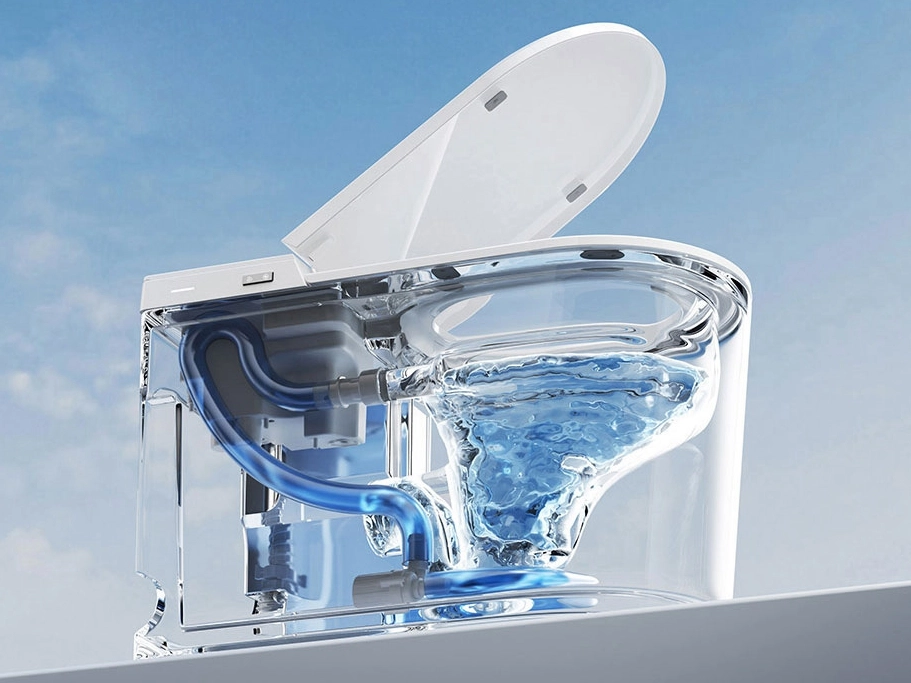
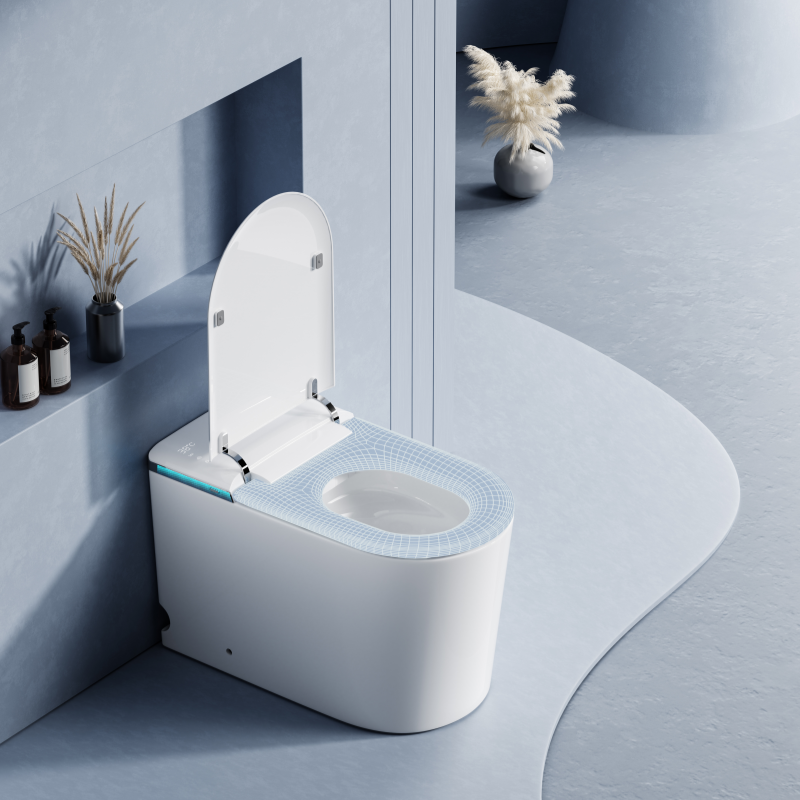
Häufige Probleme mit dem Wasserdruck bei gewerblichen Smart-Toiletten-Projekten
Gewerbegebäude stehen oft vor besonderen Herausforderungen, die den Betrieb von intelligenten Toiletten beeinträchtigen können.
Niedriger Wasserdruck in Hochhäusern
In Hochhaushotels und Wohnhochhäusern kann es aufgrund von Höhenunterschieden und komplexen Sanitärsystemen in den oberen Stockwerken zu einem geringeren Wasserdruck kommen.
Wenn der Wasserdruck der intelligenten Toilette unter den empfohlenen Bereich fällt, gibt es folgende gängige Lösungen:
- Einbau von Inline-Druckerhöhungspumpen
- Verbesserung der Wasserversorgungssysteme
- Auswahl geeigneter Smart-Toiletten-Modelle für bestimmte Druckbedingungen
Eine frühzeitige Planung hilft, kostspielige Änderungen nach der Installation zu vermeiden.
Hoher Wasserdruck und Druckschwankungen
Während ein zu niedriger Druck die Leistung beeinträchtigt, kann ein zu hoher Druck die Komponenten der intelligenten Toilette beschädigen.
Bei gewerblichen Projekten mit schwankendem Druck kann Folgendes erforderlich sein:
- Druckminderventile (PRVs)
- Korrekte Einteilung der Sanitärbereiche
- Drucküberwachungssysteme
Ein stabiler Druck schützt sowohl die Sanitärinfrastruktur als auch die inneren Komponenten der intelligenten Toilette.
Wasserschlagprobleme bei elektronischen Ventilen
Intelligente Klosetts Zur Steuerung des Wasserflusses werden schnell reagierende elektronische Ventile verwendet. In manchen gewerblichen Anlagen kann die schnelle Betätigung der Ventile zu Wasserschlag-Effekten führen.
Zu den möglichen Folgen zählen:
- Rohrschwingungen
- Lärm
- Belastung der Sanitäranschlüsse
Bei Projekten mit mehreren intelligenten Toiletten kann der Einbau von Wasserschlagdämpfern in gewerblicher Qualität dazu beitragen, das Sanitärsystem zu schützen und die langfristige Zuverlässigkeit zu verbessern.
Elektrische und Platzanforderungen für gewerbliche Smart-Toiletten
Die Wasserversorgung ist nur ein Aspekt bei der Planung der Installation einer intelligenten Toilette. Im Gegensatz zu herkömmlichen Toiletten benötigen intelligente Toiletten für ihre erweiterten Funktionen auch einen Stromanschluss.
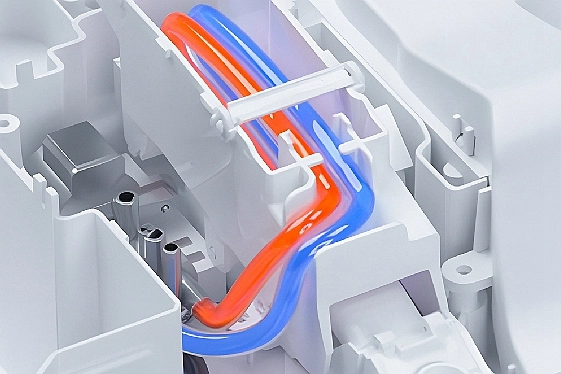
Spezielle Stromversorgung
Smart-Toiletten benötigen in der Regel einen eigenen Stromkreis, je nach den regionalen Vorschriften.
Beispielsweise kommen in vielen nordamerikanischen Anlagen folgende Komponenten zum Einsatz:
- 120-V-Stromversorgung
- 15–20-Ampere-Stromkreis
- Fehlerstromschutz
Erkundigen Sie sich vor der Installation stets beim Hersteller des Produkts nach den elektrischen Anforderungen.
Richtige Platzierung der Steckdosen
Die Steckdose sollte in der Nähe des Toilettenaufstellungsbereichs angebracht werden, um Folgendes zu gewährleisten:
- Sichere Verbindung
- Übersichtliche Kabelführung
- Einfacher Zugang für Wartungsarbeiten
Eine typische Empfehlung lautet, die Steckdose innerhalb von 12–24 Zoll der Grundfläche der Toilette, je nach Auslegung der Anlage.
Planung der Ausstellungsfläche
Smart-Toiletten erfordern aufgrund der zusätzlichen elektronischen und sanitären Komponenten in der Regel einen höheren Planungsaufwand als herkömmliche Toiletten.
Vor der Installation sollten die Auftragnehmer Folgendes überprüfen:
- Lage des Abflusses
- Position des Wasserzulaufs
- Abstand zur Wand
- Abmessungen der Toilette
- Installationsanforderungen des Herstellers
Eine sorgfältige Vorbereitung hilft dabei, kostspielige Änderungen nach Fertigstellung des Badezimmers zu vermeiden.
Wie können sich B2B-Käufer auf die Installation einer intelligenten Toilette vorbereiten?
Für Händler, Bauunternehmer und Bauträger erfordern erfolgreiche Projekte mit intelligenten Toiletten eine frühzeitige technische Bewertung.
Vor der Aufgabe von Großbestellungen sollten Käufer Folgendes prüfen:
- Anforderungen an den Wasserdruck
- Verfügbarkeit der Durchflussrate
- Kompatibilität der Rohrgrößen
- Elektrische Anforderungen
- Einbauraum
- Lokale Zertifizierungsstandards
Die Auswahl des richtigen Smart-Toilettenmodells unter Berücksichtigung der Projektbedingungen erhöht die Zuverlässigkeit und senkt die künftigen Wartungskosten.
Wie Snotor weltweite kommerzielle Projekte im Bereich „Smart Toilets“ unterstützt
Snotor bietet intelligente Toilettenlösungen Entwickelt für internationale Anwendungen im Wohn- und Gewerbebereich, darunter:
- Wandhängende Smart-Toiletten
- Tanklose intelligente Toiletten
- Intelligente Back-to-Wall-Toiletten
- Zweiteilige Smart-Toiletten
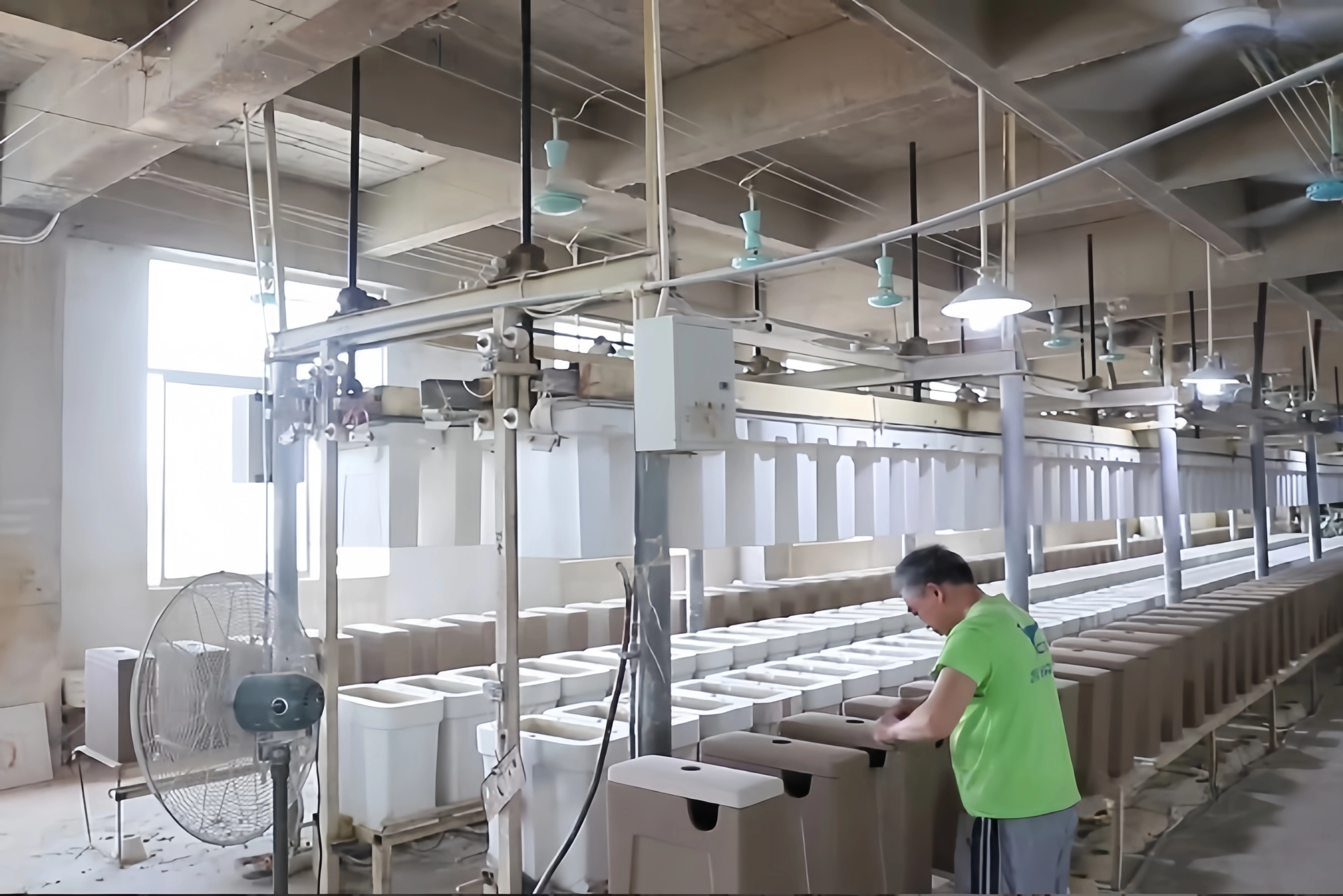
Mit seinen OEM- und ODM-Kompetenzen, Unterstützung bei der Zertifizierung und seiner Erfahrung auf den globalen Märkten hilft Snotor Händlern, Bauunternehmern und Projektentwicklern dabei, intelligente Toilettenlösungen auszuwählen, die den unterschiedlichen Installationsanforderungen gerecht werden.
Von der Produktauswahl über die Serienfertigung bis hin zum technischen Support bietet Snotor weltweit zuverlässige Unterstützung bei der Fertigung für Hotels, Apartmentanlagen und gewerbliche Sanitärprojekte.
Schlussfolgerung
Der Wasserdruck ist ein entscheidender Faktor, der sich direkt auf die Leistung von Smart-Toiletten in gewerblichen Projekten auswirkt. Unzureichender Druck, ein unregelmäßiger Durchfluss oder eine fehlerhafte Vorbereitung der Sanitärinstallationen können zu Spülproblemen, einer schlechten Benutzererfahrung und zusätzlichen Installationskosten führen.
Durch die Bewertung des Wasserdrucks, des Durchflussbedarfs, der Rohrdimensionierung und der elektrischen Gegebenheiten vor der Installation können B2B-Einkäufer Projektrisiken reduzieren und eine zuverlässige, langfristige Leistung sicherstellen.
In Zusammenarbeit mit Snotor, einem erfahrener Hersteller von Smart-Toiletten, unterstützt internationale Einkäufer dabei, Zugang zu zuverlässigen Produkten, technischer Beratung und maßgeschneiderten Lösungen für verschiedene Märkte zu erhalten. Kontaktieren Sie uns, um eine professionelle Beratung zu intelligenten Toiletten mit Wasserdruckregelung zu erhalten.