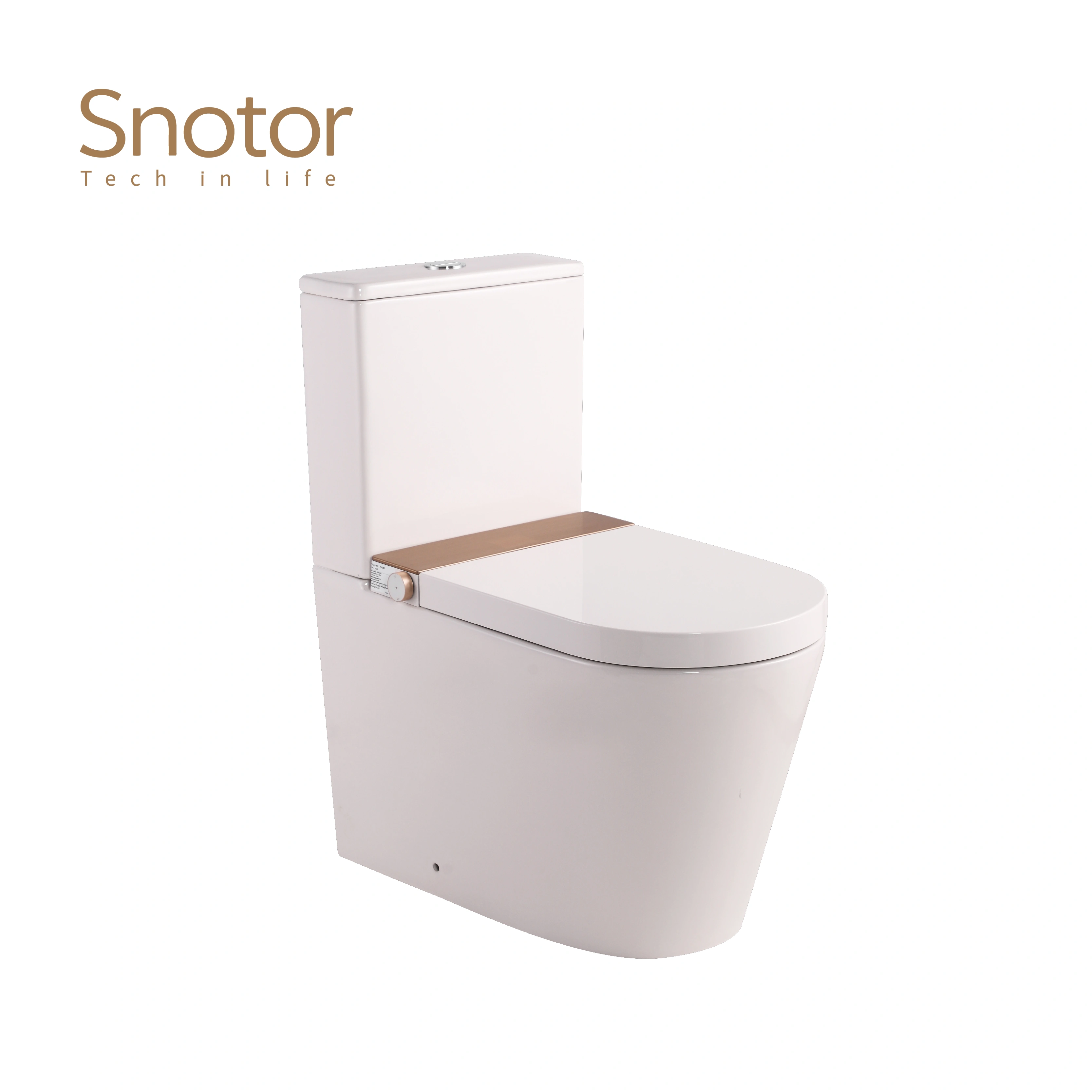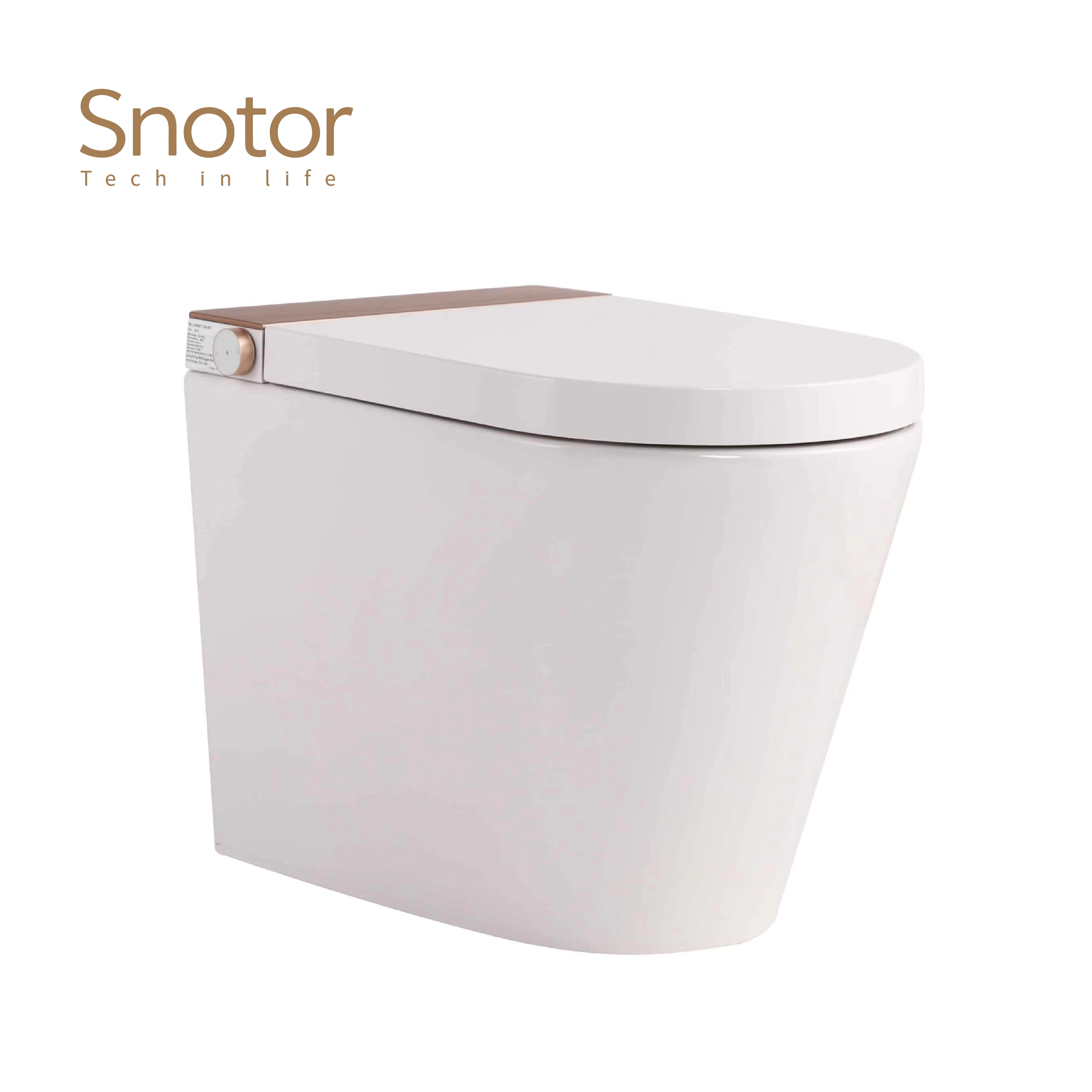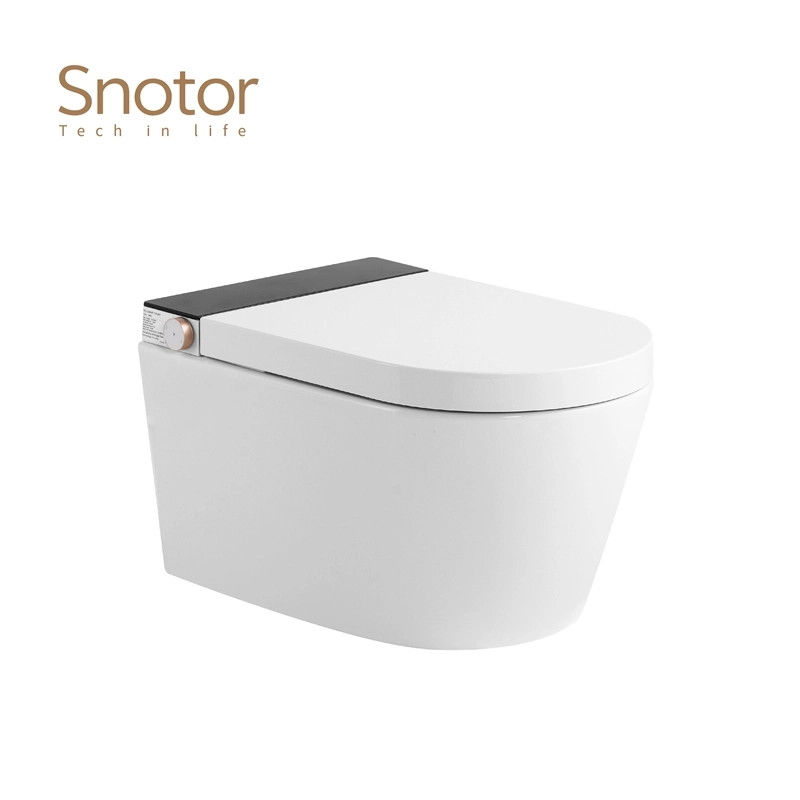


When developing or sourcing smart toilets for international projects, one technical detail often determines installation compatibility: wall outlet (P-trap) versus floor outlet (S-trap) drainage structure.
For importers, brand owners, and project contractors, understanding the structural differences is not just a plumbing issue — it directly impacts product positioning, mold development, certification planning, and after-sales service costs.
As a professional smart toilet OEM/ODM manufacturer serving global B2B clients, we help partners select the correct drainage configuration based on regional plumbing standards and installation environments.
What Is a Wall Outlet (P-Trap) Smart Toilet?
A wall outlet toilet, commonly called a P-trap toilet, discharges waste horizontally through the wall.
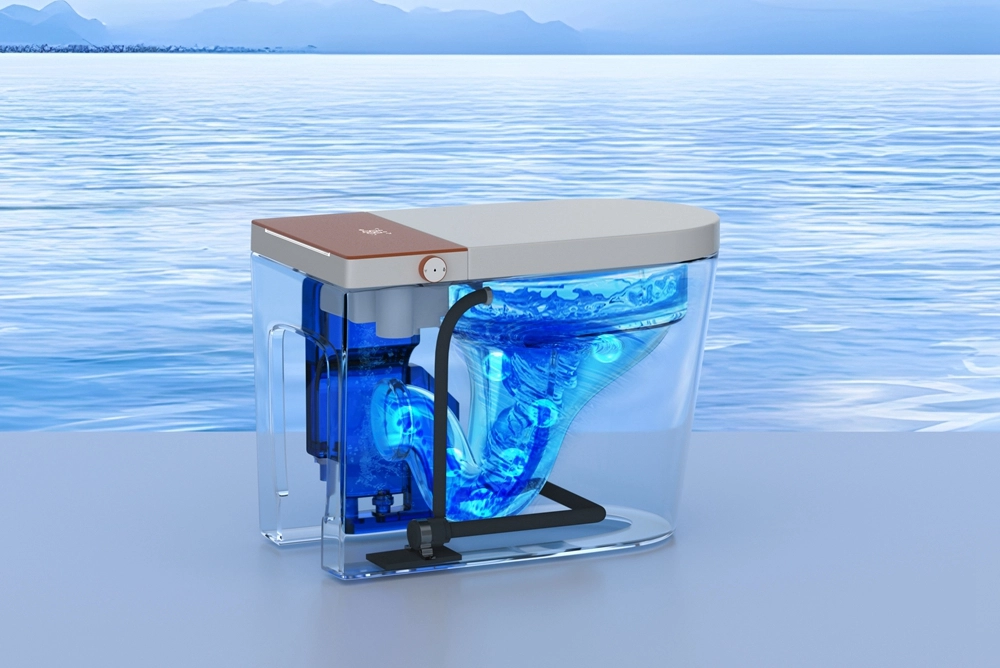
Structural Characteristics
- Horizontal outlet pipe at the rear
- Requires concealed in-wall drainage
- Usually paired with wall-mounted frames or concealed tanks
- Clean, minimalist appearance
Typical Market Application
P-trap systems are widely used in:
- Europe (especially Germany, UK, France)
- Australia
- Some Middle East commercial projects
In countries like Germany and France, concealed drainage systems are common in modern residential buildings and hotels. Many high-end apartments prefer wall-hung or back-to-wall smart toilets with horizontal outlets for aesthetic reasons.
Business Implications for Importers
For distributors targeting P-trap markets:
- Product design must match local wall drainage height (commonly 180mm or customized)
- Installation manuals need localized technical diagrams
- Certification (CE, water efficiency compliance) must align with EU standards
- Packaging should protect rear outlet components
Choosing the wrong trap type for these markets can result in return rates and installation disputes.
What Is a Floor Outlet (S-Trap) Smart Toilet?
A floor outlet toilet, or S-trap toilet, discharges vertically through the floor.
Structural Characteristics
- Vertical drainage outlet underneath the toilet
- Rough-in distance measured from wall to center of outlet
- Common rough-in sizes: 250mm, 300mm, 400mm
Typical Market Application
S-trap systems are dominant in:
- Southeast Asia
- South America
- Many parts of Africa
- Older residential buildings globally
Countries such as Philippines, Brazil, and parts of Saudi Arabia commonly use floor drainage systems.
Business Implications for Importers
For S-trap focused markets:
- Multiple rough-in options increase SKU flexibility
- Warehouse stocking strategy becomes critical
- Mold customization for rough-in adjustment may be required
- Installation compatibility must be clearly labeled on cartons
From a manufacturing perspective, S-trap models often require more tooling variations but allow broader market coverage.
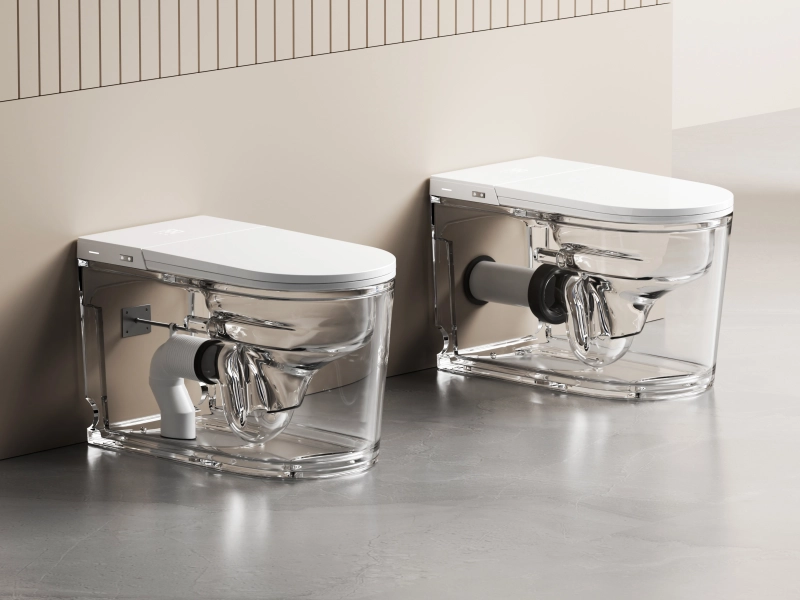
Structural Comparison: P-Trap vs S-Trap Smart Toilets
| Factor | Wall Outlet (P-Trap) | Floor Outlet (S-Trap) |
|---|---|---|
| Drainage Direction | Horizontal | Vertical |
| Installation Type | Concealed wall pipe | Floor drain |
| Market Concentration | Europe, Australia | Asia, South America, Africa |
| Rough-in Measurement | Outlet height from floor | Distance from wall |
| Visual Appearance | More minimalist | Traditional floor-mounted |
For B2B buyers, the decision is not about “which is better,” but which matches the plumbing infrastructure of your target market.
Smart Toilet Development Considerations for B2B Buyers
When selecting trap types for product development, consider the following strategic factors:
1. Target Market Plumbing Standard
Before confirming mold production, conduct plumbing standard research in your destination market. For example, a distributor entering United Kingdom may prioritize P-trap, while expansion into Malaysia likely requires S-trap models.
2. Inventory Strategy
If your business covers multiple regions, developing dual-outlet models can:
- Reduce lost orders
- Improve distributor competitiveness
- Support project-based tender requirements
3. Certification & Compliance
Different markets require compliance with water efficiency, electrical safety, and plumbing codes. Drainage type can affect:
- Installation standards
- Inspection approval
- After-sales technical support
4. Installation Complexity
P-trap models may require professional installation teams due to concealed wall systems.
S-trap models are generally easier for retrofit markets.
Understanding your customer’s installer capability is critical for product positioning.
OEM/ODM Customization: How We Support Global Brands
As a smart toilet manufacturer, we offer:
- Dual drainage structure mold development
- Adjustable rough-in engineering
- Region-specific technical drawings
- Private label branding
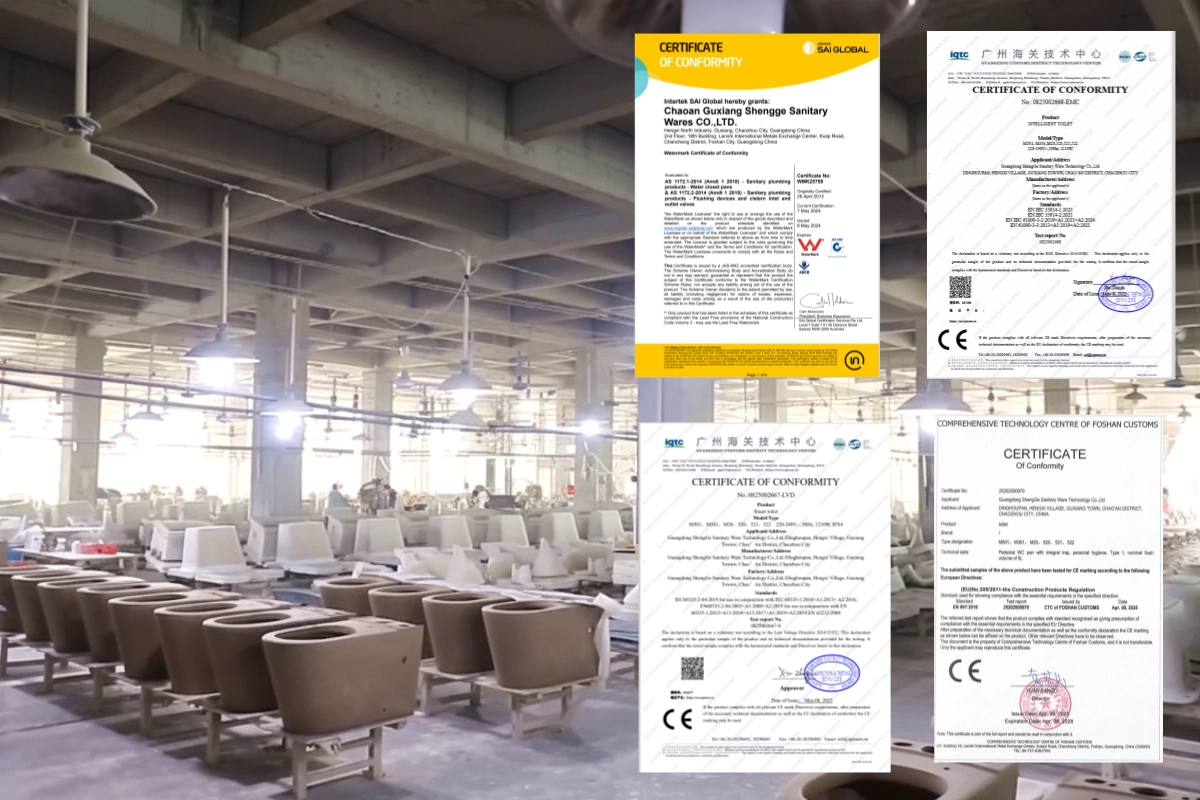
- Certification support (CE, water efficiency, electrical compliance)
- Carton and installation manual localization
Snotor helps partners align product engineering with market infrastructure.
Conclusion: Drainage Structure Determines Market Success
Choosing between wall outlet (P-trap) and floor outlet (S-trap) is not a minor technical choice — it is a market entry decision.
If you are planning to launch or expand your smart toilet line, our engineering team can help you evaluate your target market and develop the most suitable trap configuration.
Contact us today to discuss OEM/ODM smart toilet solutions tailored to your region.